


Table of Contents
Step into the mist, follow the chants, and walk alongside the pilgrims of Vietnam’s sacred Yên TỠMountain.
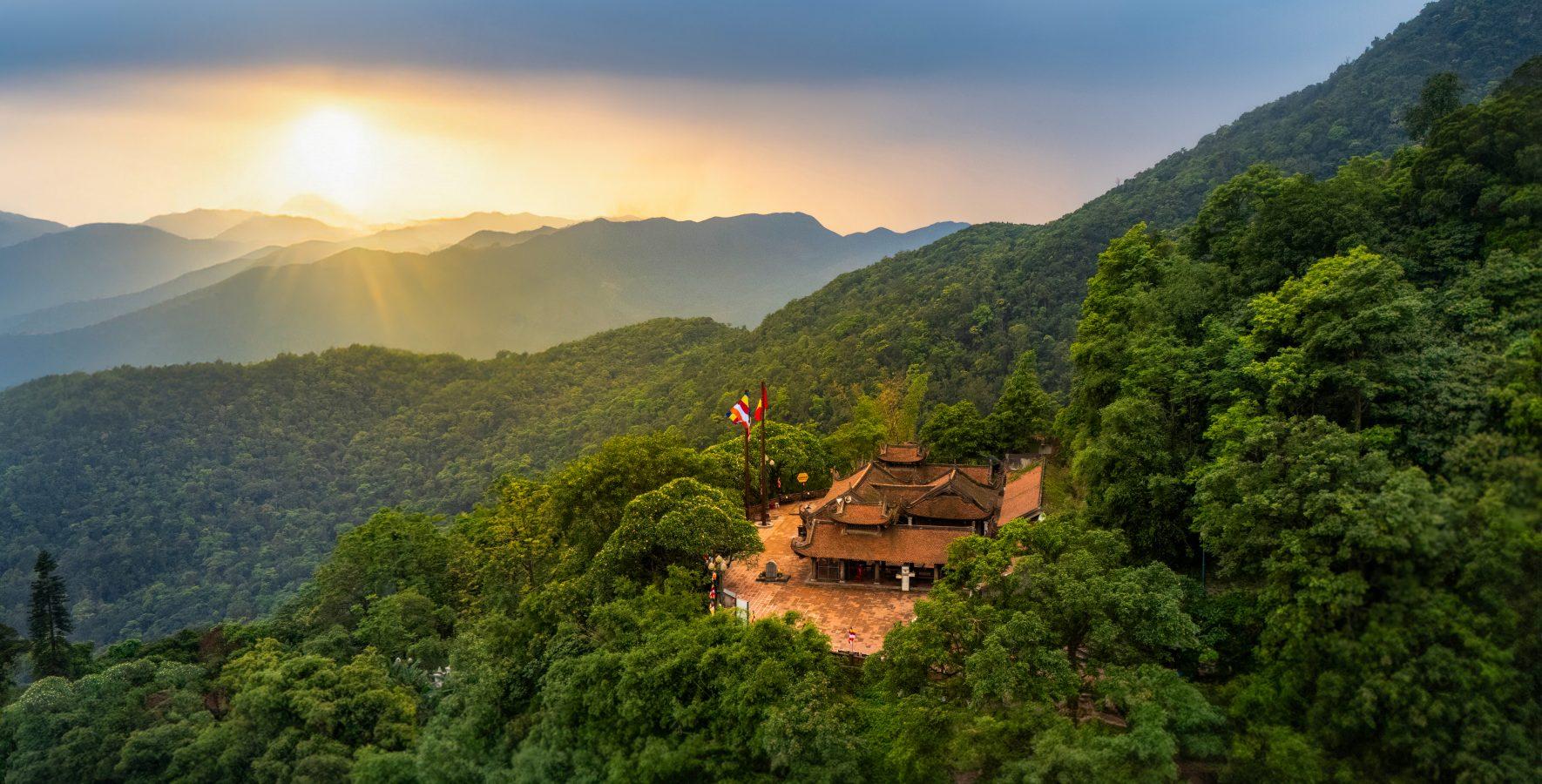
As dawn breaks over Quảng Ninh Province, a thin veil of mist drifts over Yên TỠMountain, a spiritual landmark that has drawn pilgrims for centuries. The air is cool and fragrant with pine, and the first rays of light catch on the distant pagodas perched like sentinels along the slopes. Even from afar, one can see the human thread winding upward: pilgrims in simple clothing, some barefoot, some holding incense, all moving toward the sacred heart of Vietnam’s Buddhist tradition.
Earthy Travel joined these travellers for a day, walking the mountain paths, breathing in the incense, listening to chants, and witnessing a devotion that transcends age, social status, and language.
Yên Tá»: The Mountain That Holds a Nation’s Faith
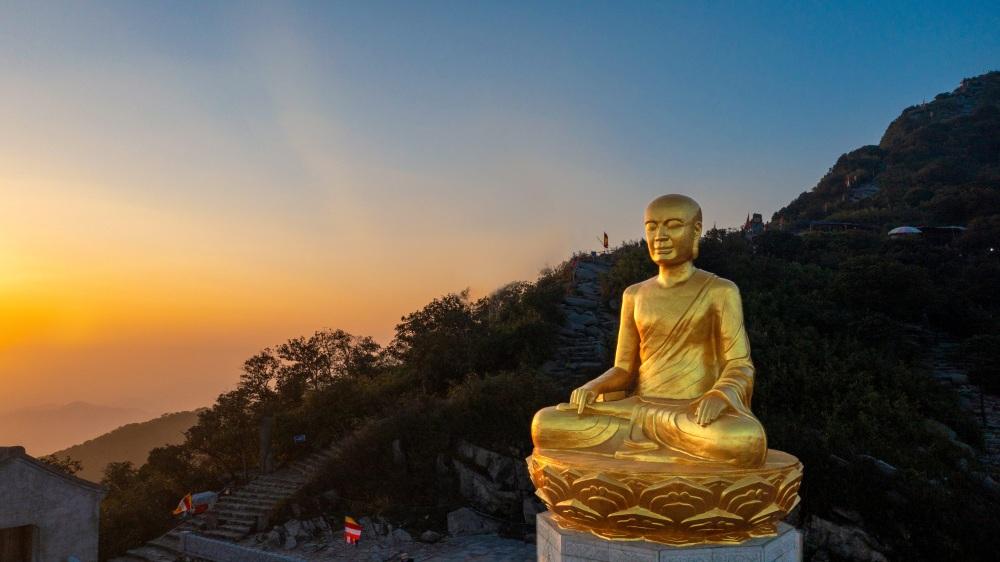
Yên TỠMountain, rising over 1,000 meters above sea level, is more than a scenic attraction. In the 13th century, Emperor Trần Nhân Tông, after abdicating the throne, retreated to this mountain to practice meditation and founded the Trúc Lâm Zen sect, Vietnam’s native Buddhist tradition. Over the centuries, monks carved temples, pagodas, and shrines into the rocky slopes, creating a spiritual network that now attracts tens of thousands of pilgrims each year.
Walking these trails is like stepping into history. Every pagoda bell, every carved wooden railing, every incense burner tells a story of devotion, struggle, and Vietnamese resilience.
The Pilgrimage Begins
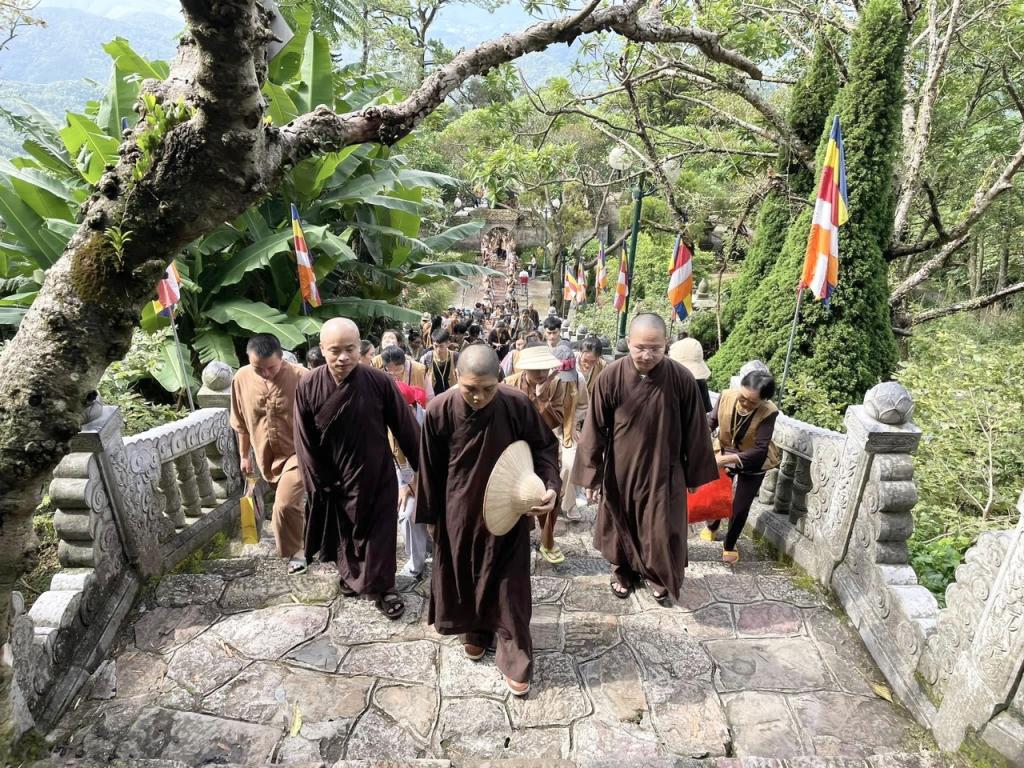
At 6 AM, the lower cable car station is already alive with motion. Pilgrims climb by foot or board the car, ascending through clouds of mist and the scent of wet pine. Along the trail, incense coils float into the air, and the rhythmic sound of chanting occasionally rises above the mountain breeze. Some pilgrims pause to bow, pressing palms together at miniature shrines. Others quietly take photographs or sit in reflection.
We met Mr Lâm, a 72-year-old retired teacher from Hanoi, who makes this pilgrimage every year with his wife. “It is a promise we made to our ancestors,†he said, eyes glinting with devotion. “Every step is for them, for us, and for the peace of our souls.â€
Nearby, a group of young urbanites hiked in sneakers, smartphones tucked away, letting themselves be fully immersed in the ritual. Some were there for spirituality, others for tradition—but all felt the mountain’s quiet pull.
Monasteries and Shrines Along the Way
The first major stop is Dong Pagoda, its wooden beams weathered but standing proudly. Incense burners smoke gently, and pilgrims leave offerings of flowers, candles, and fruit. A few monks sit quietly, guiding visitors with soft smiles.
Further along, Hoa Yên Pagoda rises dramatically above the surrounding forest. From here, one can see the city of Uông Bà far below, yet the world feels impossibly distant. Bell chimes ripple across the mist, marking the hour for morning chants. Along the path, smaller shrines are tucked into cliffs or beside ancient trees, each with its own story, each visited reverently by passing pilgrims.
Rituals and Personal Devotion
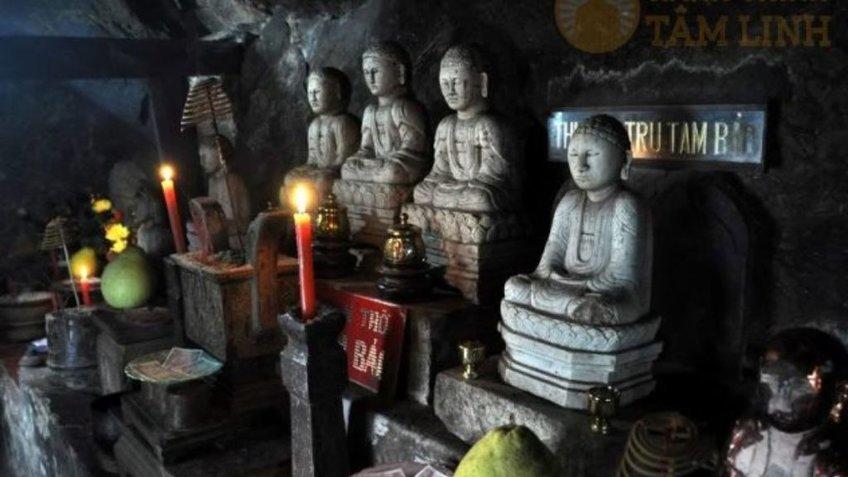
Pilgrims engage in familiar rituals: tying prayer ribbons to trees, lighting incense sticks, and silently bowing. Some meditate on stone steps, eyes closed, letting the rhythm of their breath harmonise with the mountain’s whispering wind. Others jot prayers into small notebooks or offer wishes for family, health, and prosperity.
Despite the devotion, there is an atmosphere of quiet joy. Children laugh as they clamber along the paths. Elders smile at their neighbours. Strangers greet one another with folded hands and nods of respect.
Challenges of the Journey
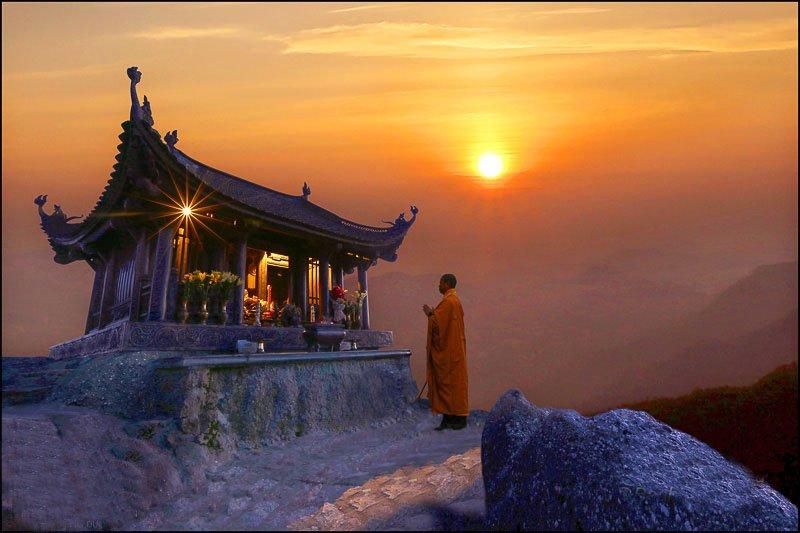
Yên Tá»â€™s trails are not easy. Pilgrims climb 5 to 7 kilometres with steep inclines, slippery rocks, and sudden fog patches. Weather can change rapidly, testing endurance and resolve. Yet it is precisely these challenges that deepen the pilgrimage’s meaning. Every step taken, every bead of sweat, every breath drawn in the mountain air strengthens both body and spirit.
Some older pilgrims carry walking sticks or wear traditional bamboo sandals. Despite age or physical strain, determination is universal. A young monk explained: “The mountain teaches patience, humility, and respect. Those who endure, understand.â€
A Cultural and Spiritual Insight
Walking among the pilgrims, it becomes clear that Yên TỠis more than a religious site. It is a microcosm of Vietnamese values: reverence for ancestors, harmony with nature, and the pursuit of inner peace. It connects generations—grandparents, parents, and children walk the same paths, chant the same prayers, and leave the same offerings.
For visitors, the experience is both educational and deeply human. Beyond the architecture and history, the essence of Yên TỠlies in witnessing devotion in its purest form: unpretentious, heartfelt, and persistent.
The Summit and Reflection
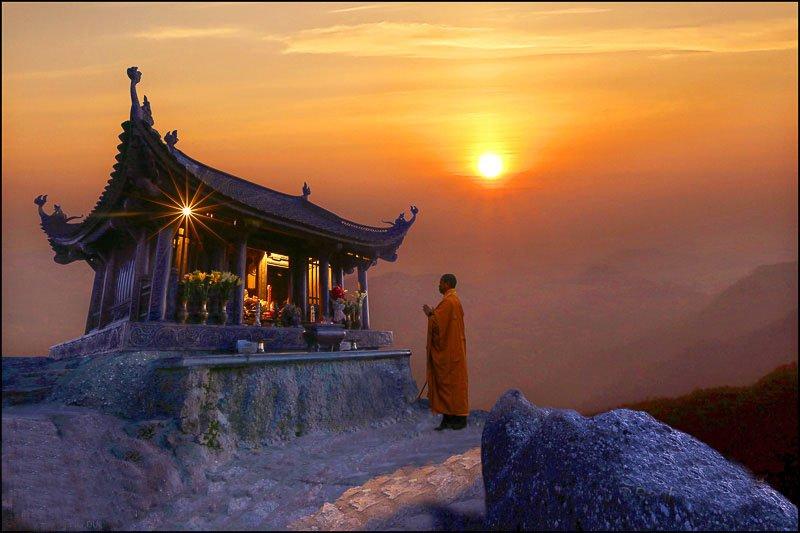
Reaching the summit of Yên TỠMountain, one is greeted not only by the panoramic view but by a profound sense of accomplishment. The air is thinner, the sky wider, and the heart somehow lighter. Pilgrims gather, exchanging smiles, sharing tea or small bites, silently acknowledging the shared journey.
Some pause at the Giải Oan Pagoda, whispering private prayers. Others simply stand, absorbing the sun breaking through clouds. Earthy Travel paused here too, letting the mountain’s quiet energy linger in our memories.
Conclusion: A Journey Worth Every Step
A day spent with the pilgrims of Yên TỠis more than a hike; it is an immersion into Vietnam’s spiritual heart. Every chant, every bow, every careful step along the mountain trail is a link in a chain of devotion stretching back centuries. The experience leaves a lasting impression—on the body, the mind, and the soul.
Visiting Yên TỠis a reminder that some treasures are not measured in gold, but in human faith, perseverance, and quiet reverence. And in walking these trails, even briefly, one carries away a sense of peace, humility, and the enduring spirit of Vietnam itself.