



Table of Contents
From muddy rice fields to steaming street-side broth: a life told through phở.
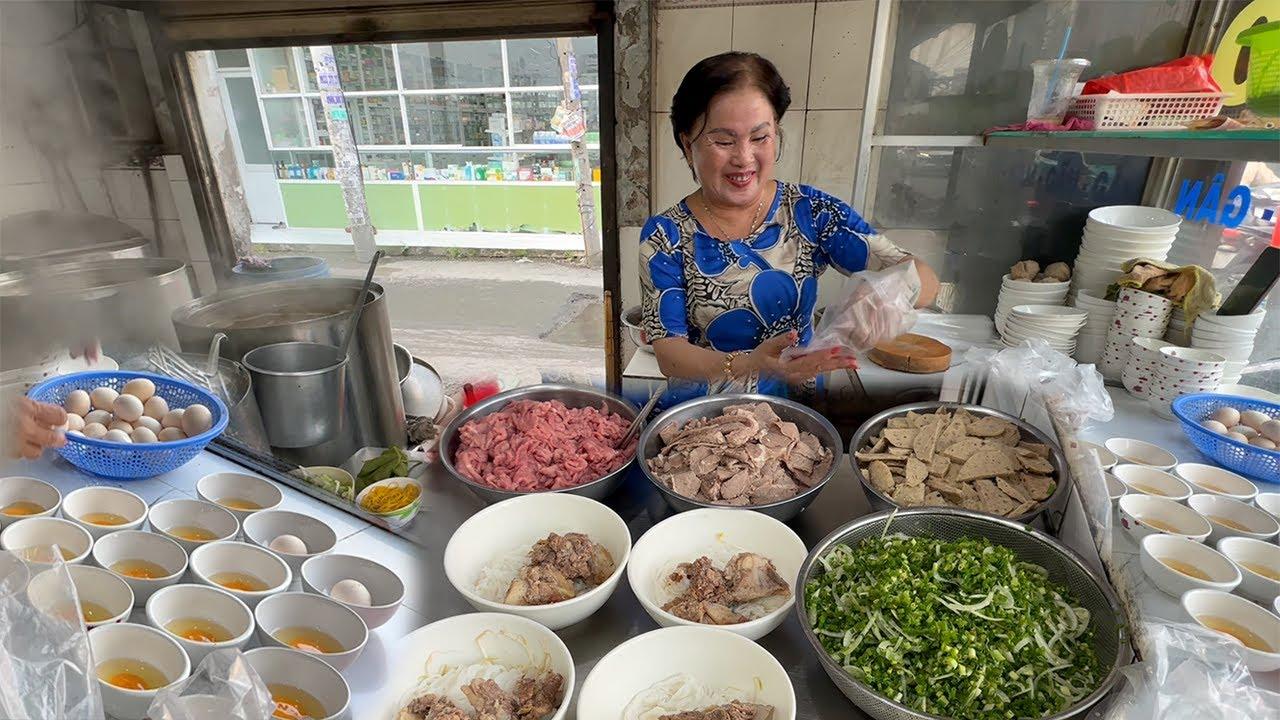
At dawn in Hanoi, long before the motorbikes roar and the city fully wakes, something else stirs first: the gentle cloud of steam rising from old aluminum pots. Vendors wipe down metal tables. Chopsticks clatter softly. A scent of simmering beef bones drifts through narrow streets. It is a morning ritual so familiar, yet so deeply rooted in history, that most people forget one simple truth.
Your bowl of phở did not begin here—on a busy Hanoi sidewalk.
It began in the northern countryside, with farmers who transformed hardship into one of the world’s most beloved dishes.
A Bowl Born in the Rice Fields
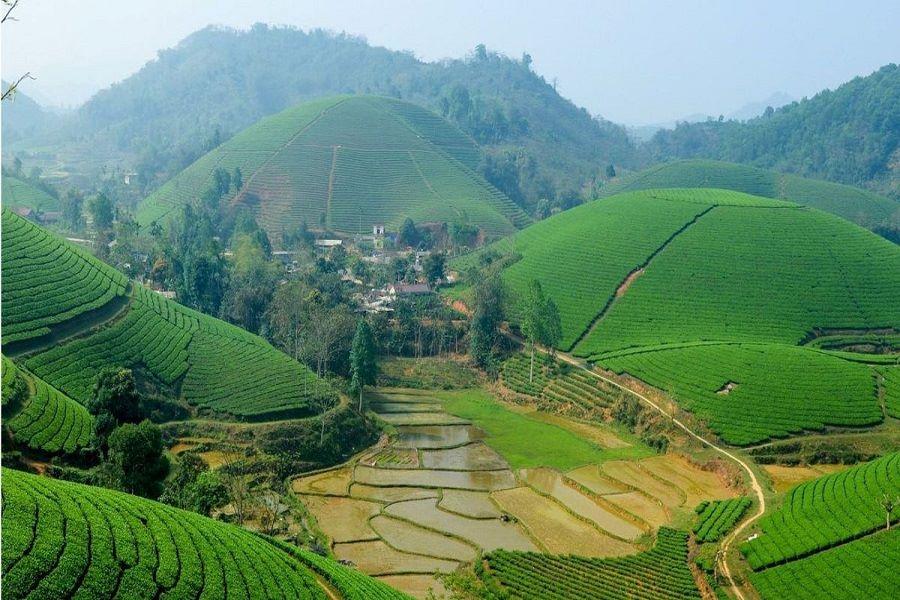
The true birthplace of phở lies far from the capital—in the provinces of Nam Äịnh and Hà Nam, where farmers spent long days planting, harvesting, and working the flooded paddies. In the late 1800s and early 1900s, life was tough. Yet it was during this era that Vietnamese cooking changed forever.
French colonists introduced a growing demand for beef, a meat Vietnamese rarely consumed at the time. The leftover bones—shank, marrow, knuckle—were cheap or discarded. Rural cooks saw opportunity instead of waste.
By simmering these bones with grilled shallots, ginger, star anise, and cinnamon, farmers created a broth unlike anything before. Thin strips of beef and soft rice noodles brought balance. And just like that, a new dish took shape: rustic, fragrant, and deeply Vietnamese.
It was first carried not in shops, but by roaming vendors with shoulder poles—one side holding a pot of broth, the other holding bowls, herbs, and chopsticks.
Phở was born in the fields, and its birthplace shaped everything about it: humility, practicality, and an instinct for turning simple ingredients into beauty.
When Farmers Became Phở Vendors
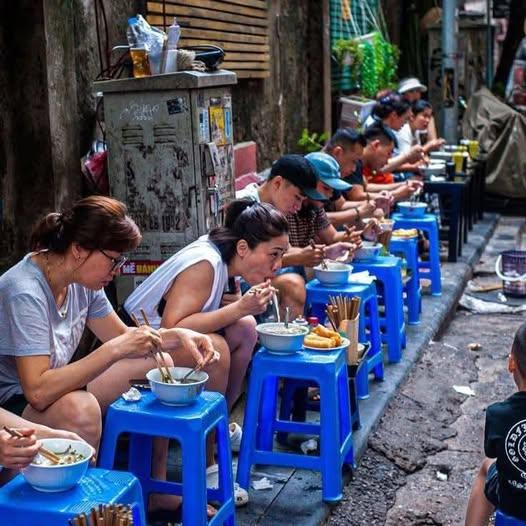
As economic pressures pushed rural families toward Hanoi, many turned to cooking as a livelihood. Some of Hanoi’s earliest phở legends were farmers before they were cooks.
The Cồ family from Nam Äịnh, for example, is often credited with perfecting the early phở recipe. Their descendants helped shape the phở culture you taste today.
Arriving in the city with limited capital but strong culinary knowledge, these migrants set up small carts and street stalls. They woke at midnight to prepare broth, arriving at street corners before the sun rose to serve laborers, rickshaw drivers, and students.
A steaming bowl cost only a few xu, but it fed a nation hungry for both food and comfort.
The Craft Behind a Bowl
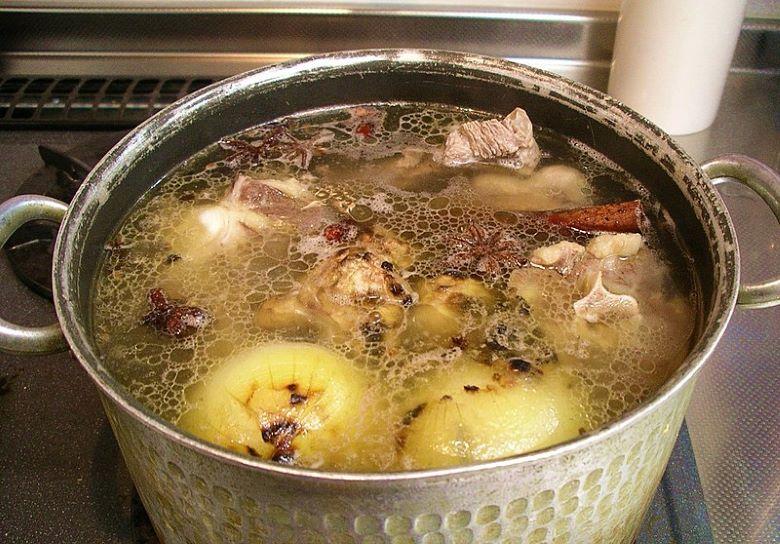
To understand phở, you must understand the work behind it.
In a traditional Hanoi kitchen, the phở ritual begins around 11PM:
- Beef bones are washed, blanched, and simmered for hours.
- Spices are lightly toasted, wrapped in cloth, and dropped into the pot.
- Ginger and onions are thrown directly onto charcoal, blackened for depth.
By 3AM, a broth has formed—not heavy, not greasy, but clear and aromatic.
By 5AM, phở vendors push carts out into the quiet streets.
Meanwhile, the rice noodles—famous from Cáºy village in Nam Äịnh—are made through a process requiring soaked rice, stone grinding, steaming, and cutting. Each strand reflects a century-old craft.
In the words of one elderly vendor on Hà ng Vải street:
“If the broth is clear, the heart of the cook must be clear too.â€
Phở is a technique, yes. But it is also philosophy.
Stories from Hanoi’s Oldest Phở Legends
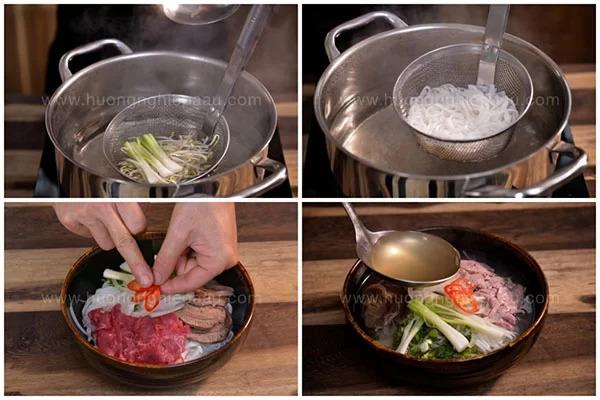
Every bowl in Hanoi tells a different story.
Phở Tư Lùn – Hà ng Trống
Long before modern restaurants, Tư Lùn carried phở through the Old Quarter with a shoulder pole. His family later opened a shop still remembered for its delicate, almost poetic broth.
Phở Thìn BỠHồ – Born in 1979
Phở Thìn changed everything.
Instead of the traditional clear broth with fresh beef, he stir-fried the meat in garlic before ladling broth on top. The flavor was smoky, bold, unforgettable. This single innovation shaped entire neighborhoods of phở restaurants.
Phở Bát Äà n – The Queue of Hanoi
Here, customers still line up, tray in hand, carry their own bowl to the table, and practice “self-service†traditions dating back to the subsidy era. The recipe is minimalistic, purist, rooted in Hanoi’s old soul.
These are real families, real stories, real decades of work.
Your bowl carries their fingerprints.
Phở Through the Hard Times
During the wars and the subsidy era, ingredients were scarce. Beef was expensive. Vendors adapted:
- Chicken phở became popular.
- Some used bones from multiple animals.
- Cassava noodles replaced rice during famine periods.
Yet phở never disappeared.
It survived because it was more than food—it was dignity in a bowl. A warm meal for soldiers returning home. A cheap breakfast for factory workers. A small joy in difficult years.
When Phở Left Vietnam, It Became Eternal
After 1975, phở traveled with Vietnamese families around the world.
In Paris, Los Angeles, Sydney, Berlin—wherever Vietnamese people settled, phở followed. Each bowl carries the memory of home, adjusted slightly for local ingredients, yet unmistakably Vietnamese.
In Saigon, phở became sweeter, more herbal. Overseas, bowls grew larger. No matter the variation, the soul remained.
Phở is now global.
But its story is still the story of Vietnamese migrants rebuilding their lives, one bowl at a time.
A New Generation of Phở Legends
Today, young chefs are pushing boundaries:
- Phở trộn (dry noodle)
- Phở cuốn (rolled phở)
- Wagyu phở
- Vegan mushroom phở
- Broth aged for 24 hours
Yet even with innovation, the heart remains the same: broth, rice noodles, and care.
As one young vendor in Bắc Từ Liêm told us:
“We innovate not to replace tradition—but to keep it alive.â€
Conclusion: A Bowl That Holds a Nation’s Story
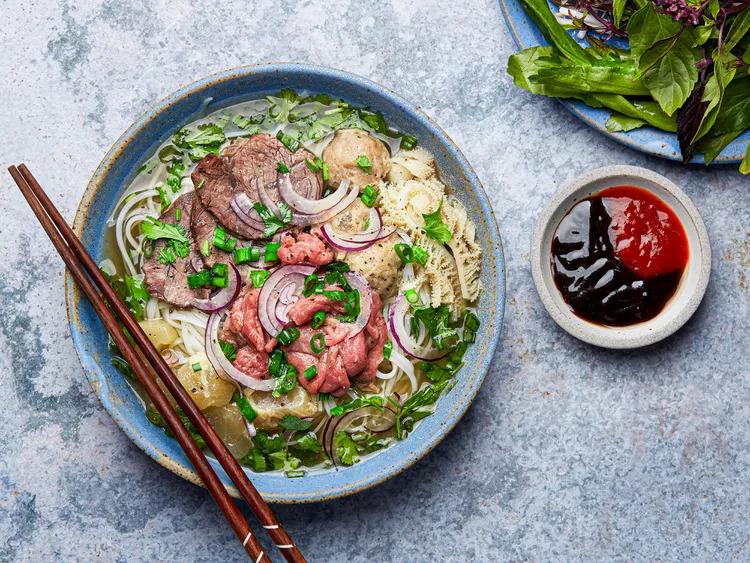
When you sit at a plastic stool in Hanoi, lift chopsticks, and lean into that fragrant bowl, you are tasting more than beef and noodles.
You are tasting:
- the labor of farmers
- the craft of roadside cooks
- the resilience of families
- the memory of northern rice fields
- and the spirit of Vietnam itself
Phở is not just Vietnam’s national dish.
It is one of Vietnam’s greatest stories.