



Table of Contents
Step before sunrise into the city’s secret corners, where alleys awaken with fresh flowers, fragrant herbs, and the quiet rhythm of daily life.
At 4:30 a.m., when most of Hanoi slumbers, a few hidden corners begin to stir. Beneath dim streetlights and under the shadows of old bridges, narrow alleys and covered arcades come alive: crates of produce are unloaded, fresh flowers are arranged, and vendors — many with sleepy eyes but steady hands — begin their daily ritual.
This is the hidden heartbeat of Hanoi: early-morning markets where the city wakes slowly, bustling with smells, sounds, and the quiet rhythm of everyday life.
Where Dawn Meets Daily Life
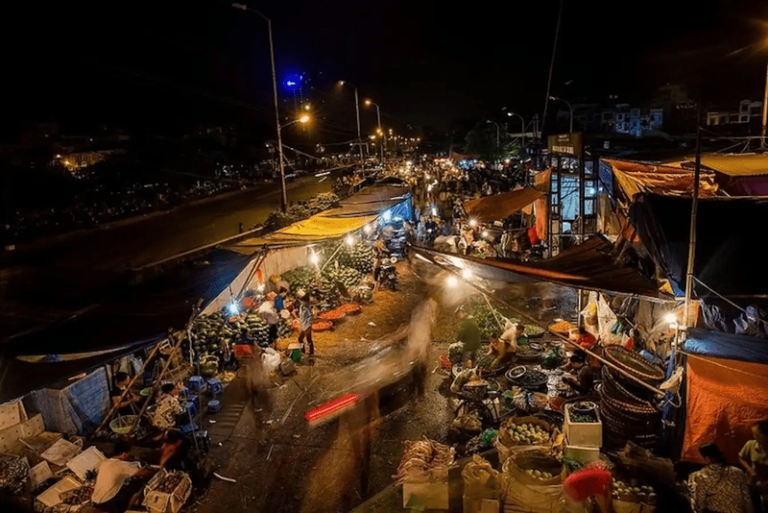
Long Biên Morning Market, beneath the old steel arches of Long Biên Bridge, is one of the first to stir. Traders arrive around 3–4 a.m., unloading trucks full of vegetables, fruits, seafood, and rice for vendors across Hanoi. By 5:00 a.m., narrow aisles are alive with voices, bargaining, and the shuffle of crates.
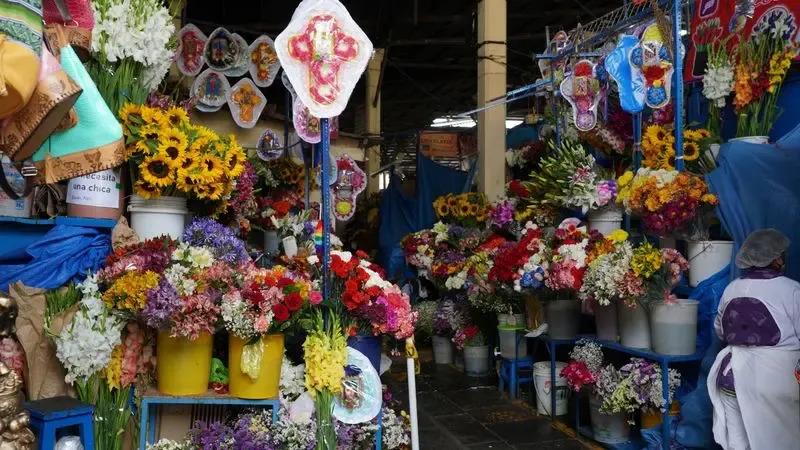
Nearby, Quang Ba Flower Market wakes even earlier — trucks and motorbikes bring orchids, roses, lotuses, chrysanthemums, and every kind of bloom imaginable. Vendors spread out their wares under soft lamps, waiting for early buyers: café decorators, shopowners, and monks preparing offerings.
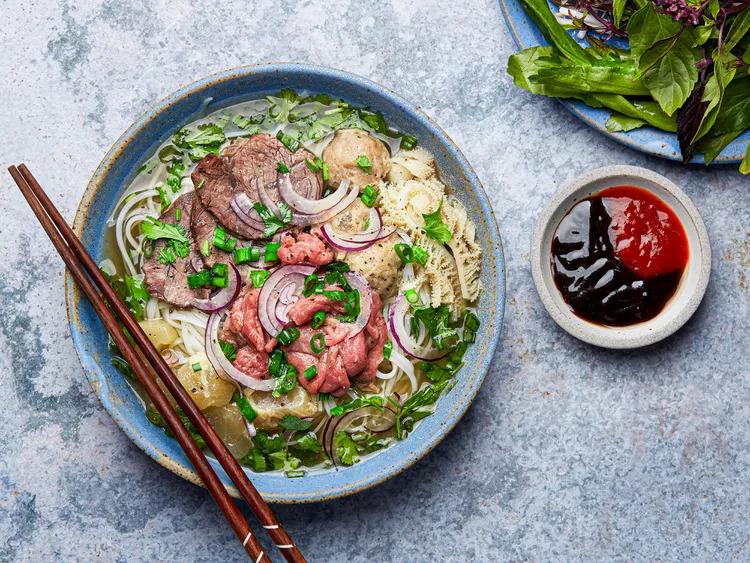
Elsewhere, tucked into narrow lanes, “chợ cóc” — small alley markets — emerge quietly. Vendors set up stools or baskets of goods on the ground: fresh herbs, fish, local snacks, steaming bowls of phở or sticky rice (xôi). These markets are not for tourists. They are the city’s daily pulse.
The Symphony of Senses
Walking through these markets at dawn is a feast for the senses:
- Sight: Crates of vegetables glistening with dew, buckets of orchids and lotuses, baskets piled with tropical fruits. Vendors move briskly, carrying goods on shoulder-poles or bicycles.
- Sound: Voices calling prices, the clatter of boxes, motorbikes humming, laughter, and hushed early-morning conversations.
- Smell: Fresh herbs, damp earth, fish, raw vegetables, flowers, and faint steam from bowls of phở or sticky rice.
- Touch/Feel: Cool, humid air; rough crates; wet leaves; and the warm steam from a nearby food stall.
Though messy and chaotic, the markets are real, alive, and honest — a window into Hanoi’s daily life.
Voices & Stories from the Market
Pause, and you’ll hear life stories: a vegetable vendor laughing after a mishap, a young florist arranging lotuses before a café owner arrives, a grandmother buying herbs for breakfast, a motorbike vendor juggling fruit baskets.
Many vendors inherited their trade from parents or grandparents, understanding the rhythm of sales, market days, and seasonal demand. Their dedication sustains the city — feeding people, decorating homes, and preserving Hanoi’s heartbeat.
A Perspective for Travelers
For visitors, stepping into a hidden alley market is like a secret invitation: raw, unfiltered, and intimate.
- Best time: 3:00–5:00 a.m. for wholesale activity; 5:00–8:00 a.m. for local shopping.
- What to bring: Closed-toe shoes, small flashlight or camera, cash, and respect for vendors at work.
- What to expect: No polished storefronts, no menus in English, often no fixed prices — but plenty of atmosphere and authentic encounters.
Those who move quietly can leave not only with flowers or food but with a memory of Hanoi itself.
Why Hidden Markets Matter
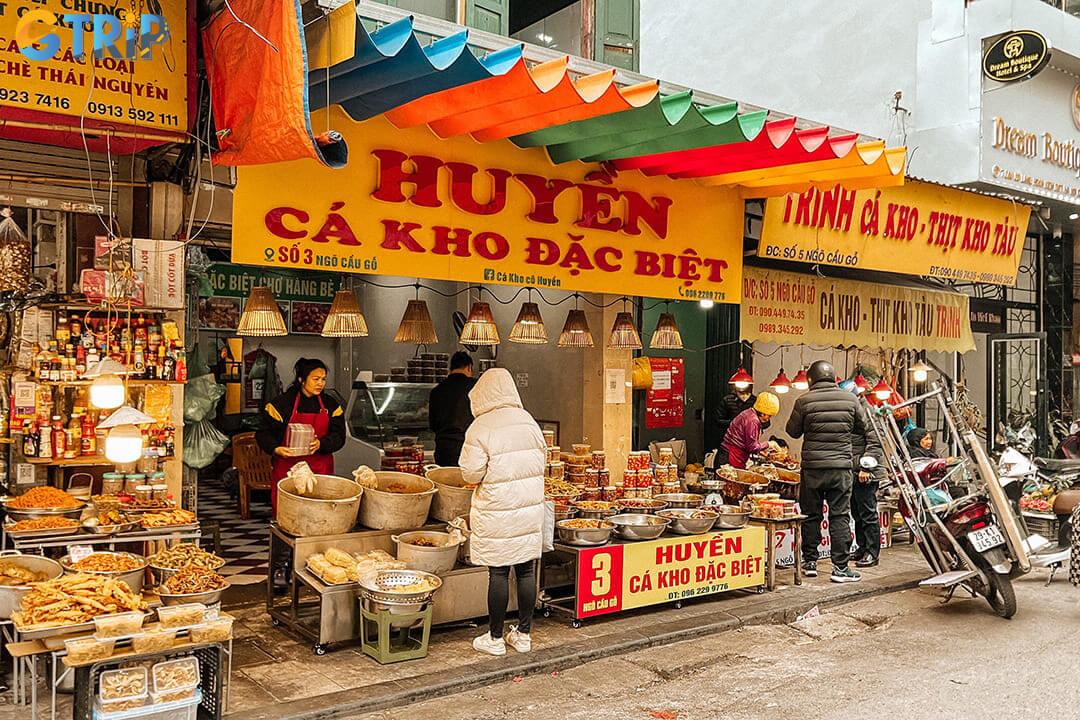
In the city’s rush — high-rises, cafés, motorbikes, and tourists — these alley markets remain living artifacts of tradition. They exist because people still need fresh food, flowers, and the steady rhythm of daily life.
They remind visitors that Hanoi is more than its architecture and modernity: it’s smells, early-hour bargains, laughter in alleys, and hands rising before dawn to keep the city alive.