



Table of Contents
Vietnam’s street food is world-famous — and with the right know-how, you can enjoy every bowl, skewer, and bánh mì safely, just like the locals do.
A practical, no-nonsense guide written by local experts.
1. Choose Busy Stalls With High Turnover
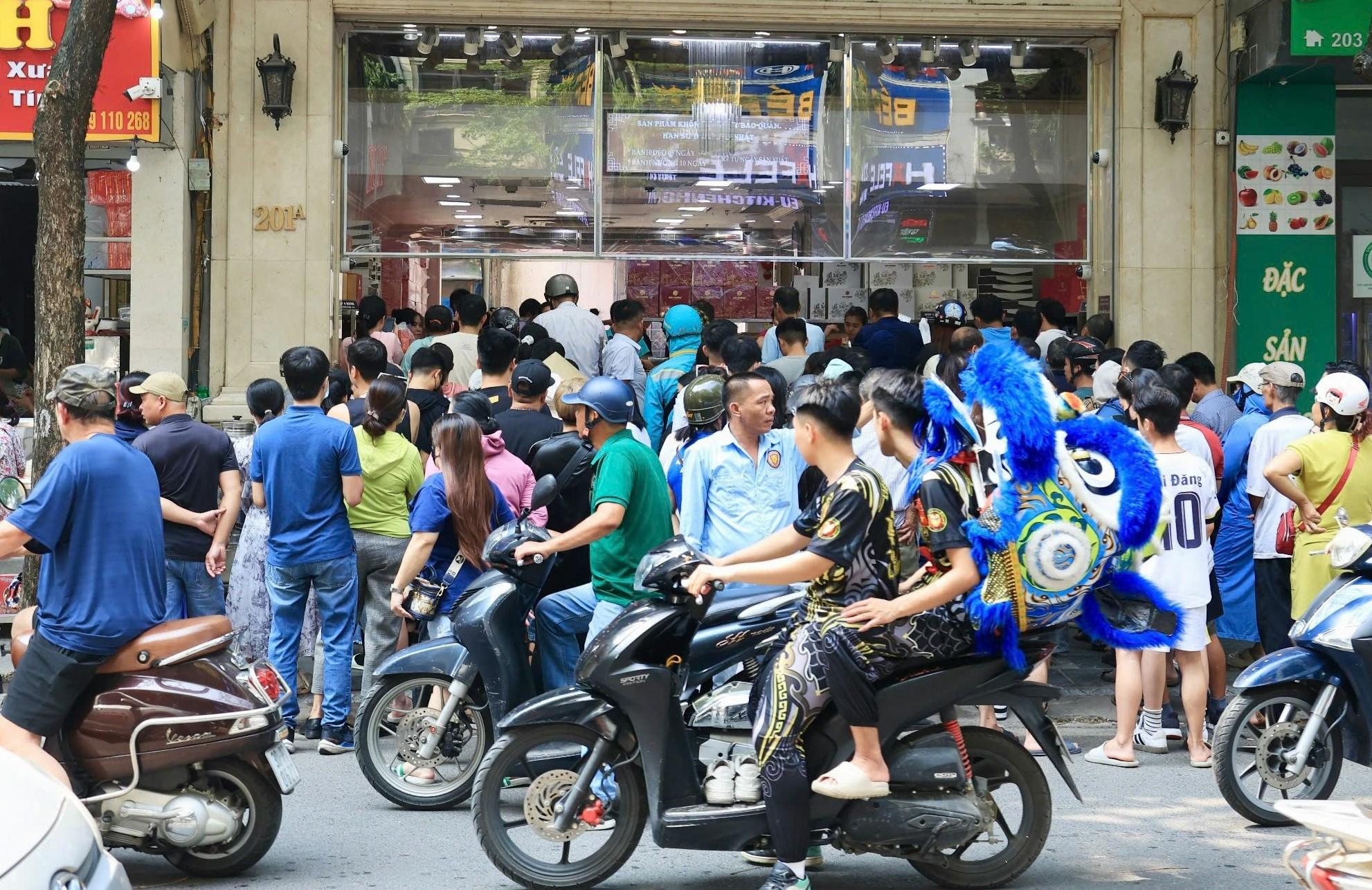
If a spot is crowded with locals — especially office workers and families — that’s your green flag. High turnover means food is cooked fresh and not sitting out for long. Avoid places where dishes look like they’ve been sitting in trays for hours.
Local tip:
Look for small stools + lots of slurping noises = safe & delicious.
2. Watch How They Handle Ingredients
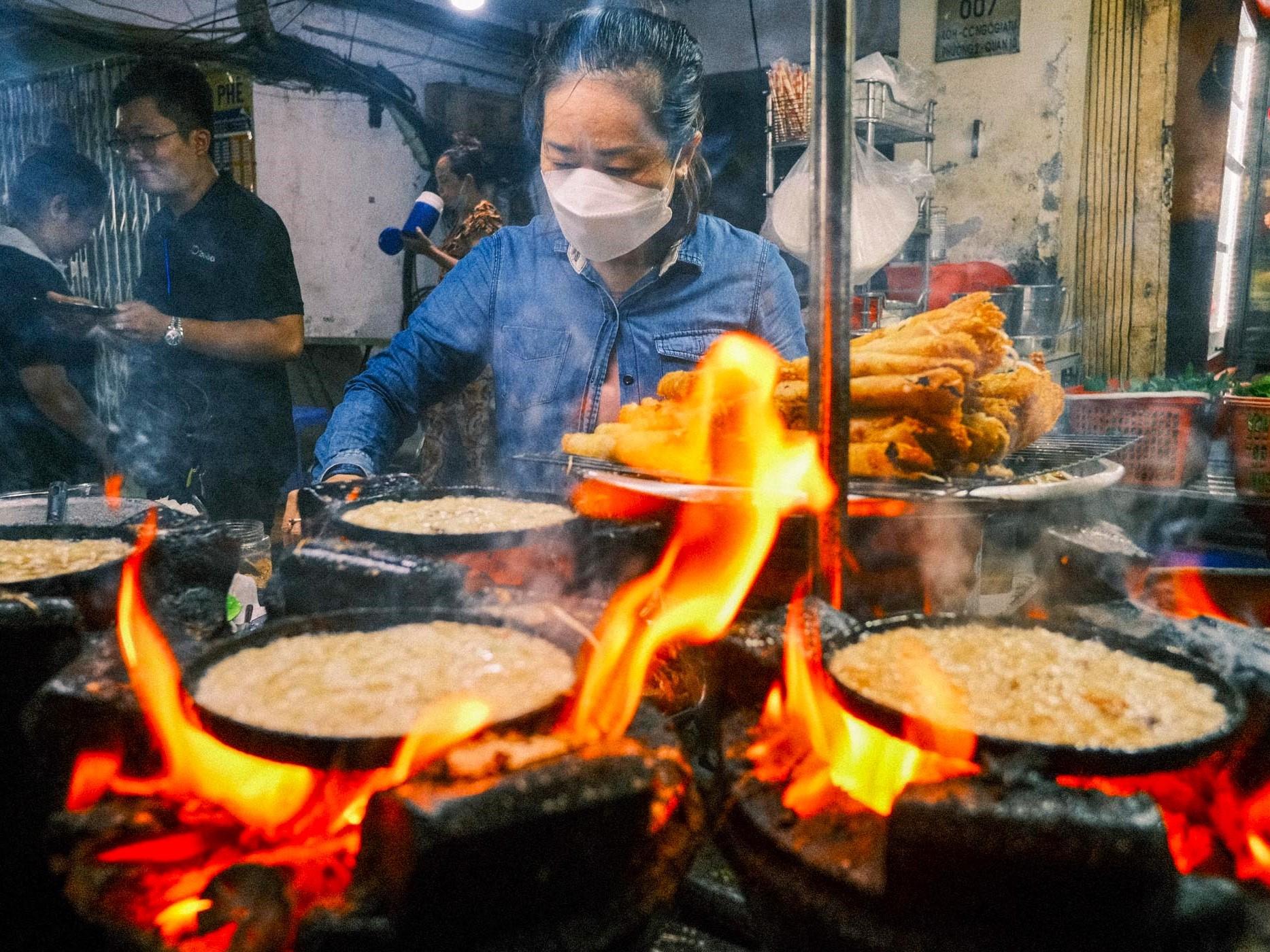
A clean cutting board and separate stations for raw vs. cooked items are great signs. If everything (including raw meat, herbs, and cooked ingredients) gets chopped on the same board… walk away politely.
Checklist to watch for
- Gloves or tongs for ready-to-eat food
- Separate boards for raw meat
- Fresh herbs kept in clean baskets
- Pot lids kept on, not open.
3. Eat What’s Cooked Fresh & Served Hot
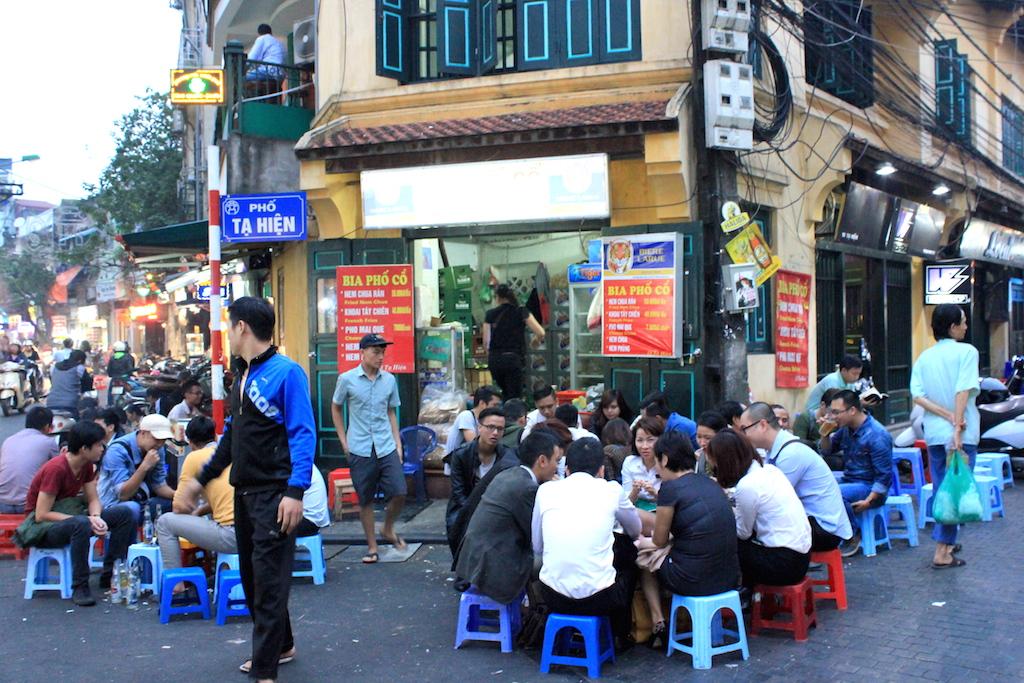
Heat kills 99% of the bad stuff. Prioritise street foods that are cooked to order:
- Phở – broth kept boiling all day
- Bún chả – grilled over charcoal
- Bánh xèo – sizzling pancake made on the spot
- Cơm tấm – hot broken rice + grilled pork
Avoid lukewarm stews, curry pots sitting out, or stalls where flies hang out.
4. Be Careful With Fresh Herbs & Ice
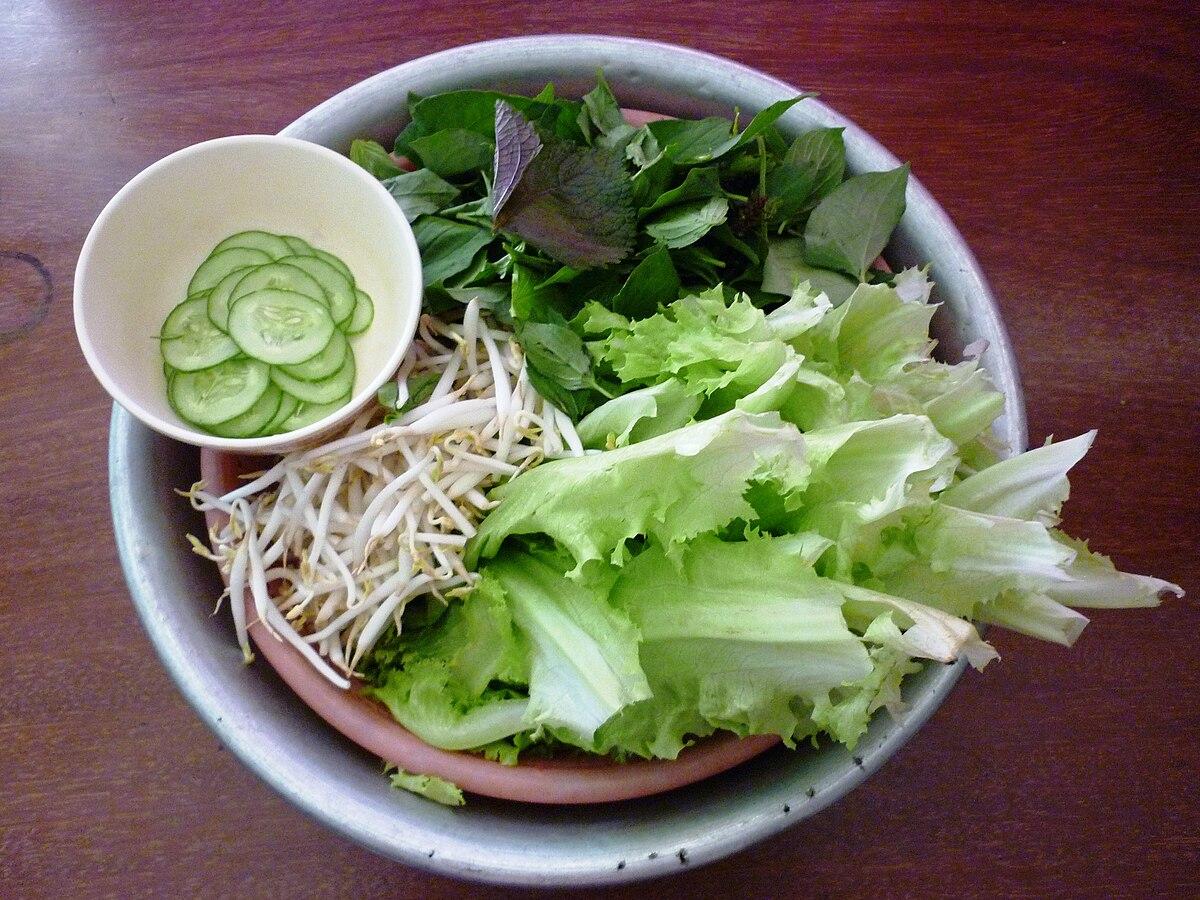
Vietnamese food includes lots of fresh herbs. Most stalls wash them well, but not all. If you’re sensitive, skip raw herbs for the first 2–3 days while your stomach adjusts.
Ice rule:
Stick to tube-shaped ice with a hole in the middle — it comes from a factory and is safe.
Avoid shaved ice from big blocks.
5. Bring Your Own “Safety Kit”
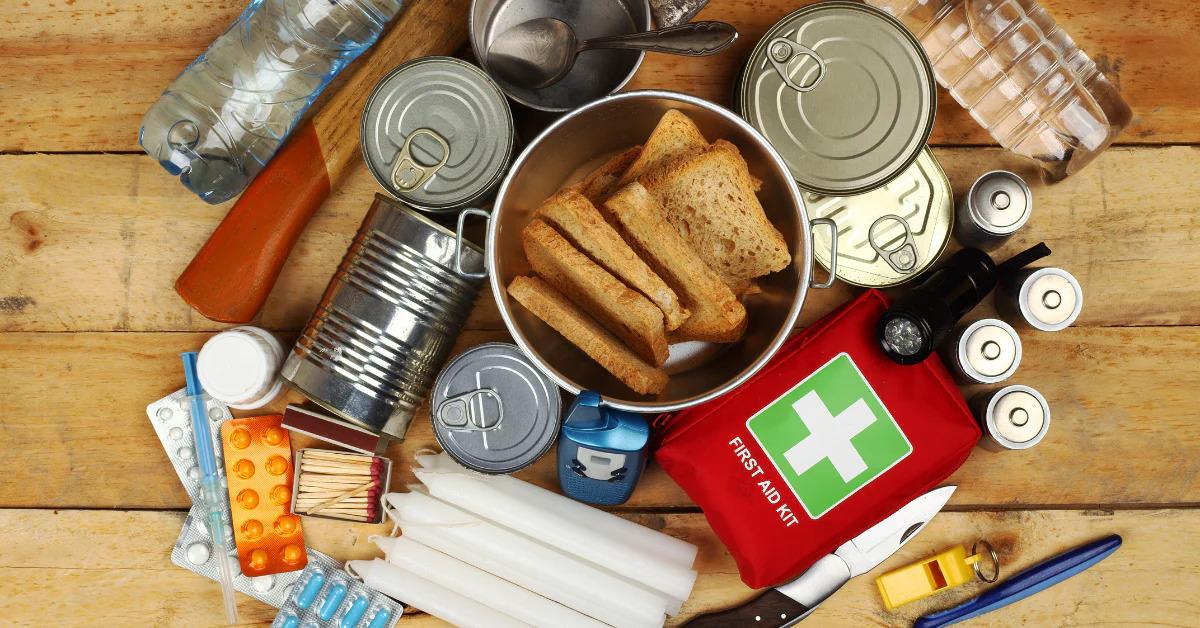
Vietnamese people do this too — it’s normal!
✔ Wet wipes
✔ Hand sanitiser
✔ Stomach-friendly probiotics (start 3–5 days before arrival)
✔ Rehydration salts (ORS) in case of a bad day
6. Learn the “Safe Orders” Locals Love
These dishes are generally safe even for weak Western stomachs:
- Phở bò
- Bánh mì thịt nướng
- Bún bò Huế
- Bánh cuốn (steamed fresh)
- Cơm gà Hội An
Avoid early in the trip:
- Shellfish (street clams, snails)
- Gỏi (raw salads) at low-traffic stalls
- Cheap oysters (unless from a restaurant)
7. Watch the Oil
Good stalls replace oil frequently — it looks clear and smells clean.
Avoid places using dark, sticky, burnt-smelling oil.
8. Trust Your Nose and Instincts
If something feels off — bad smell, dirty prep area, water on the floor, or the vendor looks like they’re rushing too much — skip it. Vietnam has thousands of incredible stalls. Missing one won’t hurt.
9. Hydrate Well — It Helps Digestion
Vietnam is humid. Staying hydrated helps your stomach tolerate new foods better. Drink bottled water or boiled tea.
10. If You Get Sick, Do What Locals Do
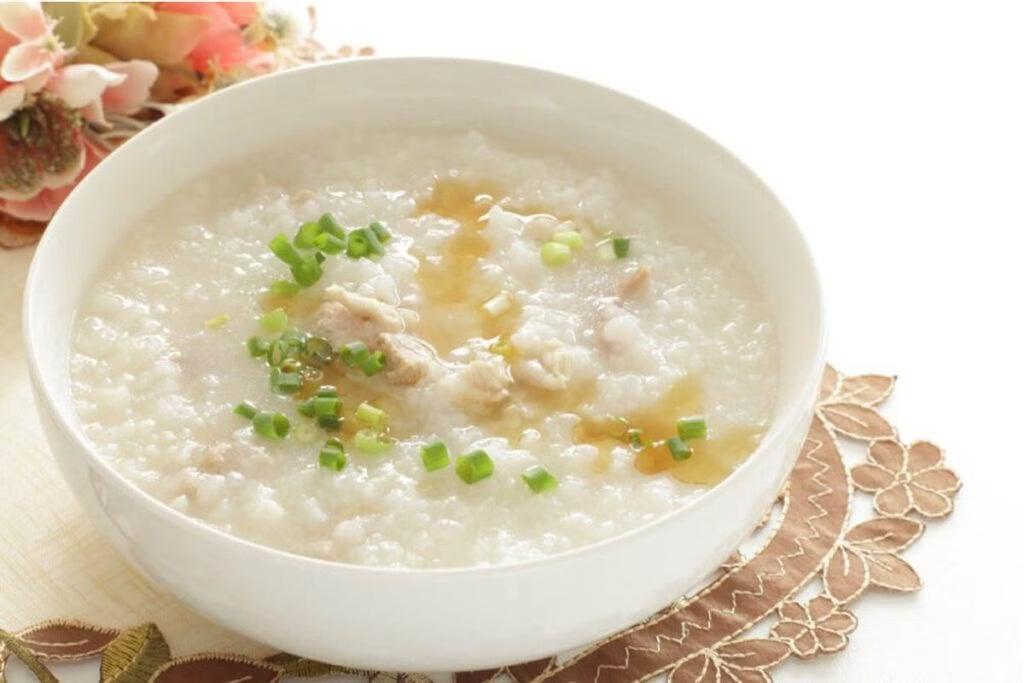
You’re not alone — even Vietnamese people get stomach upsets occasionally.
Local remedies:
- Cháo trắng (plain rice porridge)
- Nước gừng (ginger tea)
- Coconut water
- Probiotics (very common in Vietnam)
Avoid medication that stops diarrhoea at the start — you want to flush out bacteria, not trap it.