



Table of Contents
Vietnamese people are famously warm and welcoming — but like any culture, there are a few unspoken rules that help travellers connect more deeply and avoid awkward moments. Here’s your friendly, local guide to the do’s, don’ts, and cultural nuances that will make your trip smoother, more meaningful, and more respectful.
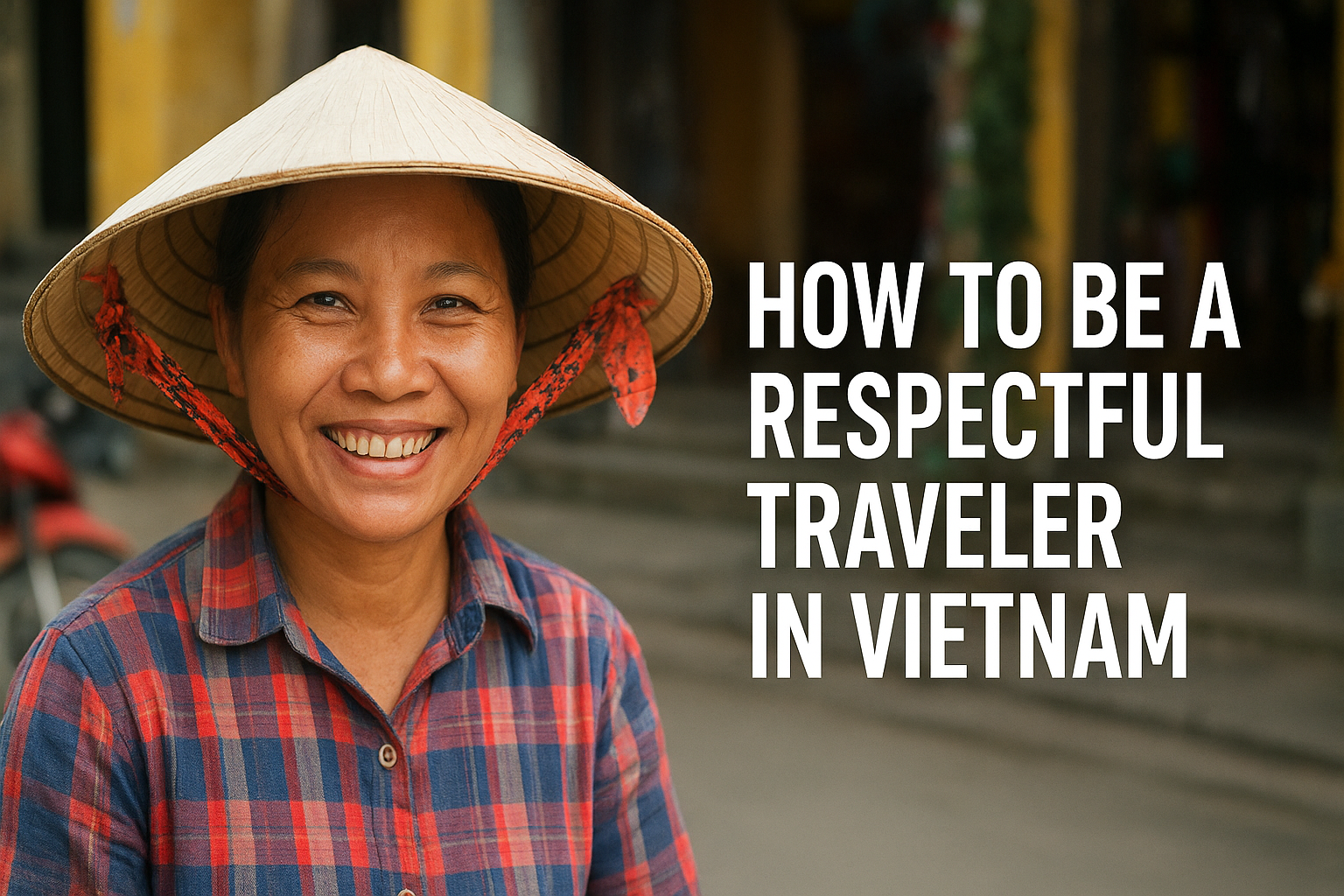
1. Greet with a Smile (It’s Powerful Here)
Vietnamese warmth begins with a smile.
Locals don’t usually shake hands outside of business settings. A gentle nod or smile is more natural — and often the easiest way to create instant goodwill.
Tip: In rural areas, smiling is essential, especially when asking for directions or taking photos.
2. Dress Modestly in Temples & Sacred Places
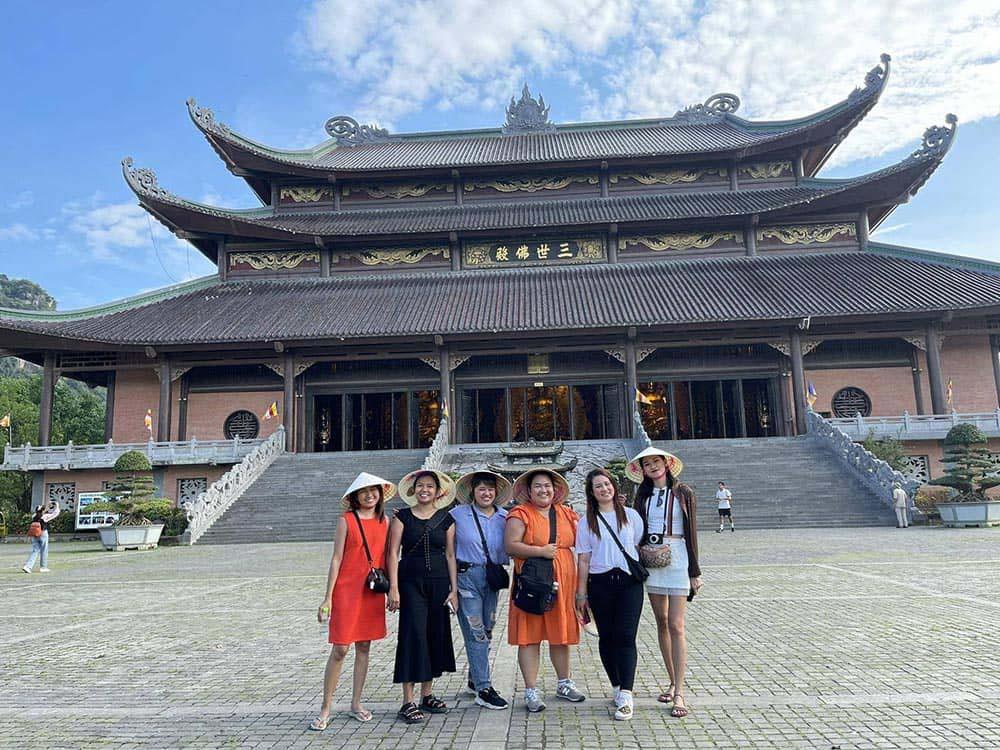
Vietnamese temples, pagodas, and ancestral homes are deeply spiritual spaces.
Do:
- Cover shoulders and knees
- Remove hats and sunglasses.s
- Walk inside the halls.
Don’t:
- Touch statues
- Sit on altars or lean on ancient structures.
- Point your feet toward the Buddha statues.
If you’re unsure, follow what locals do.
3. Take Off Your Shoes Indoors (When Required)
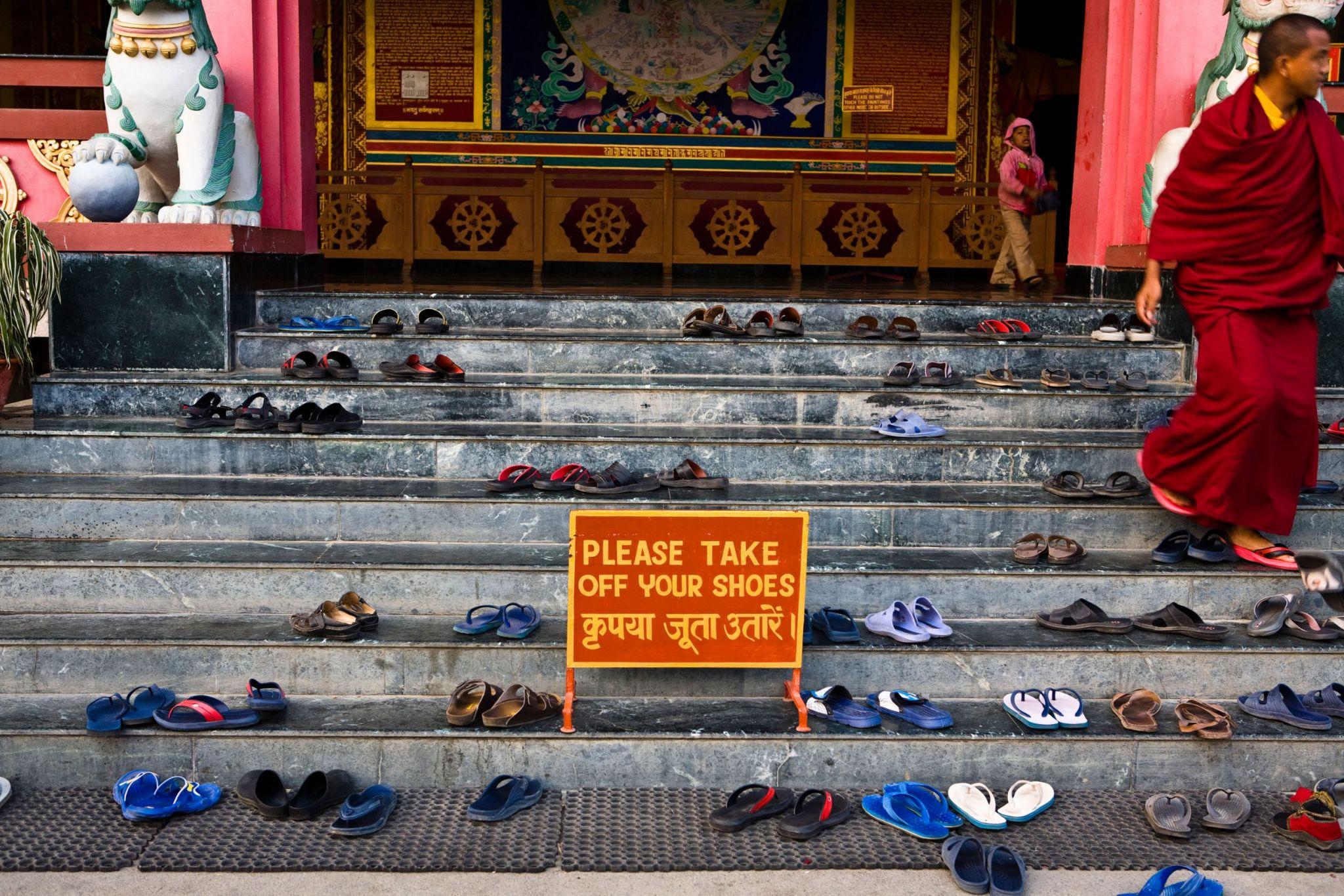
Many Vietnamese homes — and some shops, homestays, and traditional buildings — ask visitors to remove their shoes before entering.
If you see a pile of shoes by the door, it’s your cue.
4. Give & Receive with Both Hands

Whether you’re receiving a business card, paying for something, or giving a gift, using both hands shows politeness and respect.
This small gesture goes a long way, especially with older people.
5. Don’t Touch Someone’s Head (Especially Children)
In Vietnamese and many Asian cultures, the head is considered sacred.
Even if a child is cute, avoid patting their head — it can be seen as disrespectful.
6. Respect Elders — It’s Deeply Cultural
Vietnamese society places strong emphasis on hierarchy and age.
Show respect by:
- Letting elders sit first
- Pouring water or tea for them before yourself
- Speaking politely in a soft tone
A simple phrase helps too:
“Dạ” (pronounced ya): a polite particle showing respect.
7. Avoid Public Displays of Affection
Holding hands is fine.
Kissing in public? Not so much — especially in rural areas, temples, and family gatherings.
Vietnamese culture is modest, and PDA can make locals uncomfortable.
8. Ask Before Taking Photos of Locals
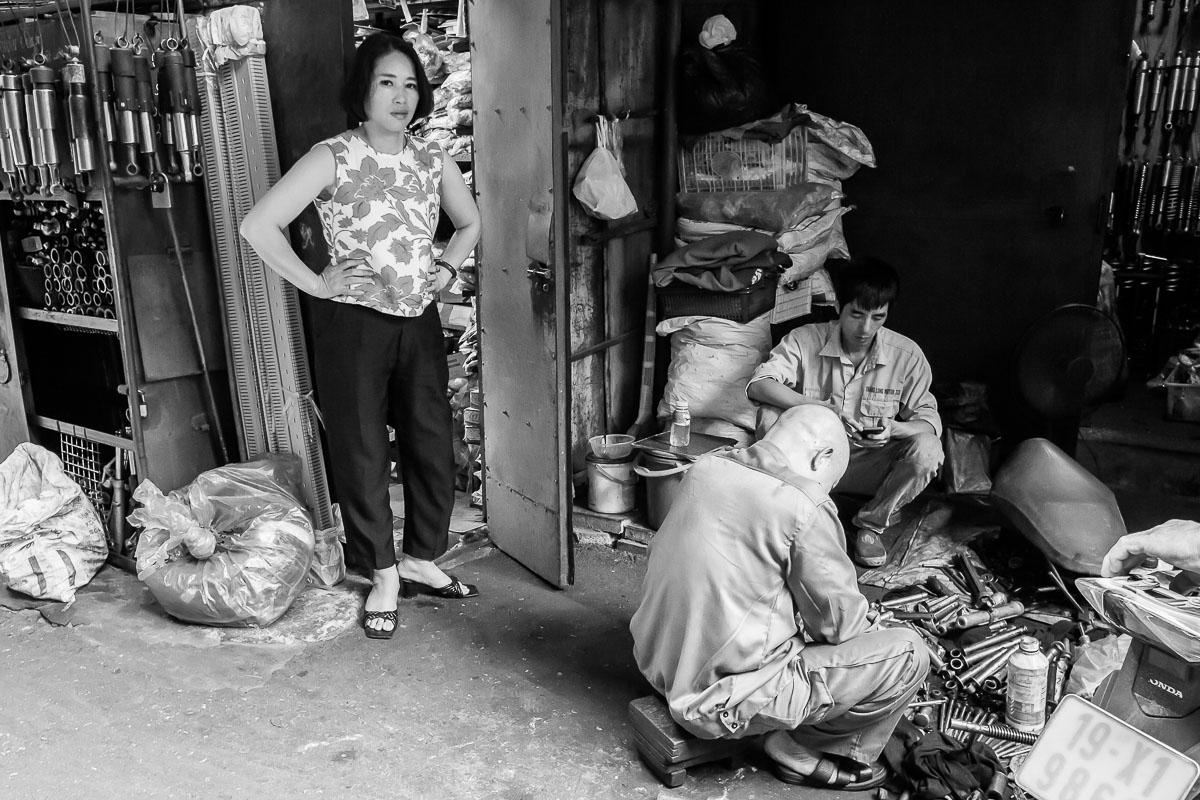
Especially:
- Street vendors
- Elders
- Rural families
- Children
Most people will happily agree — but asking first shows kindness.
A simple:
“Cho mình chụp ảnh nhé?” (May I take a photo?)
Will earn big smiles.
9. Learn a Few Key Phrases (It Shows Respect)
Vietnamese love it when foreigners try — even just a little.
Useful phrases:
- Xin chào — Hello
- Cảm ơn — Thank you
- Xin lỗi — Sorry
- Bao nhiêu tiền? — How much?
- Ngon quá! — So delicious!
These tiny efforts change how locals treat you.
10. Don’t Bargain Too Aggressively
Bargaining is normal — but shouting, arguing, or haggling to the last dong? Not great.
Golden rule:
If you wouldn’t feel comfortable paying that price in your own country, don’t force it here.
Always bargain with a smile.
11. Chopsticks Etiquette Matters
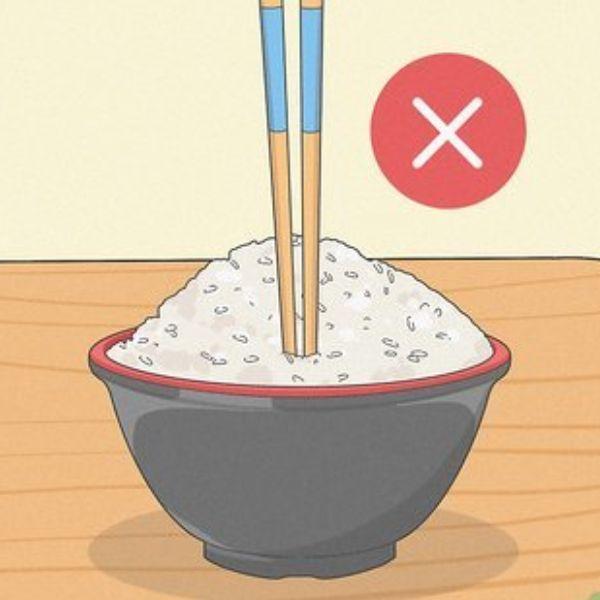
A few big no-nos:
- Don’t stick chopsticks upright in rice — it resembles funeral offerings.
- Don’t point chopsticks at people.
- Don’t use them to rummage around dishes.
Locals will appreciate your care.
12. Be Patient — Things Move Differently Here
Coffee comes slowly. Meals take time. Traffic is chaotic but strangely organised.
The best way to enjoy Vietnam is to relax and let the local rhythm guide you.
13. Respect the Country’s History
Vietnam’s history is long, emotional, and complex.
War jokes or political debates with strangers? Avoid them.
Most locals are happy to share stories — just approach with curiosity and humility.
In Summary
Being respectful in Vietnam isn’t about strict rules — it’s about kindness, calmness, and cultural awareness.
Smile often.
Speak gently.
Observe before acting.
And remember that every gesture carries meaning here.
These simple habits will open more doors, more conversations, and more heartfelt moments on your journey through Vietnam.