



Table of Contents
Tracing the roots of Vietnam’s iconic folk paintings—and the artisans who refuse to let them die.
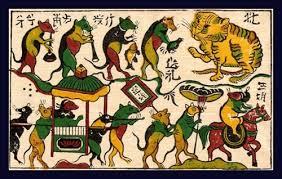
Just 35 kilometers from Hanoi, past rippling rice fields and thin village roads, lies a place where colors seem to breathe on their own. The quiet village of Äông Hồ in Bắc Ninh Province is famous across Vietnam for its traditional woodblock paintings—once a cultural staple during every Tết holiday. Yet today, the village feels like a room where someone has just blown out the candles. Only a few sparks remain, flickering stubbornly against the wind.
Earthy Travel traveled to Äông Hồ to meet the artisans keeping this craft alive—people whose hands have held centuries of tradition, and whose hearts still beat in rhythm with the tap-tap-tap of chisels on wood.
A Village of Paper, Color, and Memory
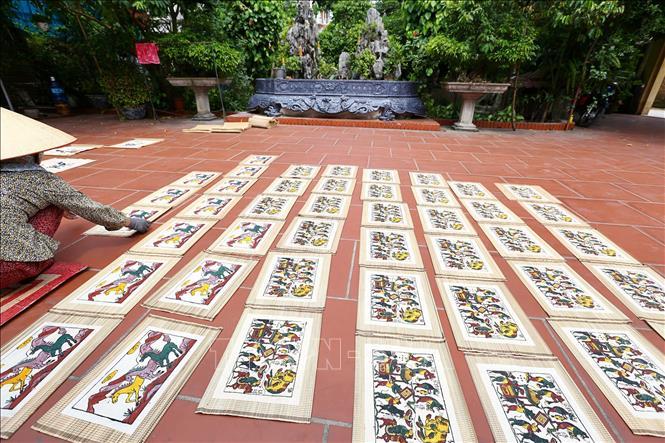
On the morning we arrived, the village was washed in sunlight. Sheets of handmade dó paper hung on bamboo poles like pale clouds drifting above courtyards. The smell of crushed seashells—used to make the shimmering điệp coating—mixed with the earthy aroma of wet wood. For a moment, it felt like stepping into an old storybook.
But despite the beauty, an unmistakable quietness lingered.
Where once dozens of families carved, printed, and sold paintings, only a handful remain.
“Before Tết, this road used to be packed with people,†a villager told us, pointing toward an empty lane. “Now, maybe only two or three households still print the old way.â€
We walked deeper into the village and found the home of one of Vietnam’s last true masters.
Meeting Artisan Nguyá»…n Äăng Chế — A Man of Many Stories
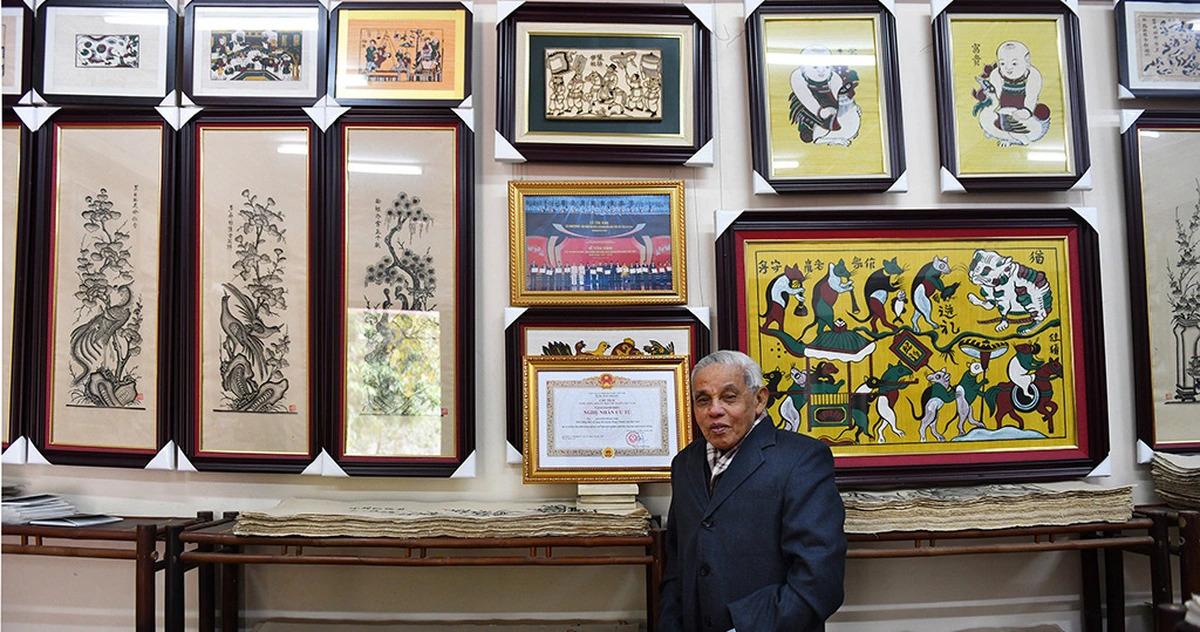
The workshop of Nguyá»…n Äăng Chế, nearly 80 years old, is a living museum. The walls are lined with traditional paintings. Wooden blocks, some older than he is, sit stacked like sleeping relics. When he welcomed us, his hands were still stained with pigment.
He spoke slowly, his voice carrying both pride and sadness.
“I learned this craft when I was eight,†he said. “My father learned it from his father. Our family has carved woodblocks for more than twenty generations.â€
When he talks about Äông Hồ painting, he speaks as if describing a person—one he loves deeply and fears losing.
“Now? Only a few of us are left. My children help sometimes, but young people… they want stable jobs, not chipped fingers and uncertain income.â€
Yet when he sits at his wooden table, the sorrow fades. His hands move with a softness earned from decades of devotion. Watching him work feels like witnessing an orchestra of small movements: chisels slicing clean lines, brushes tapping pigment onto carved wood, papers pressed with patient precision.
“This,†he said, lifting a freshly printed piece, “is the soul of Äông Hồ.â€
How a Folk Painting Is Born
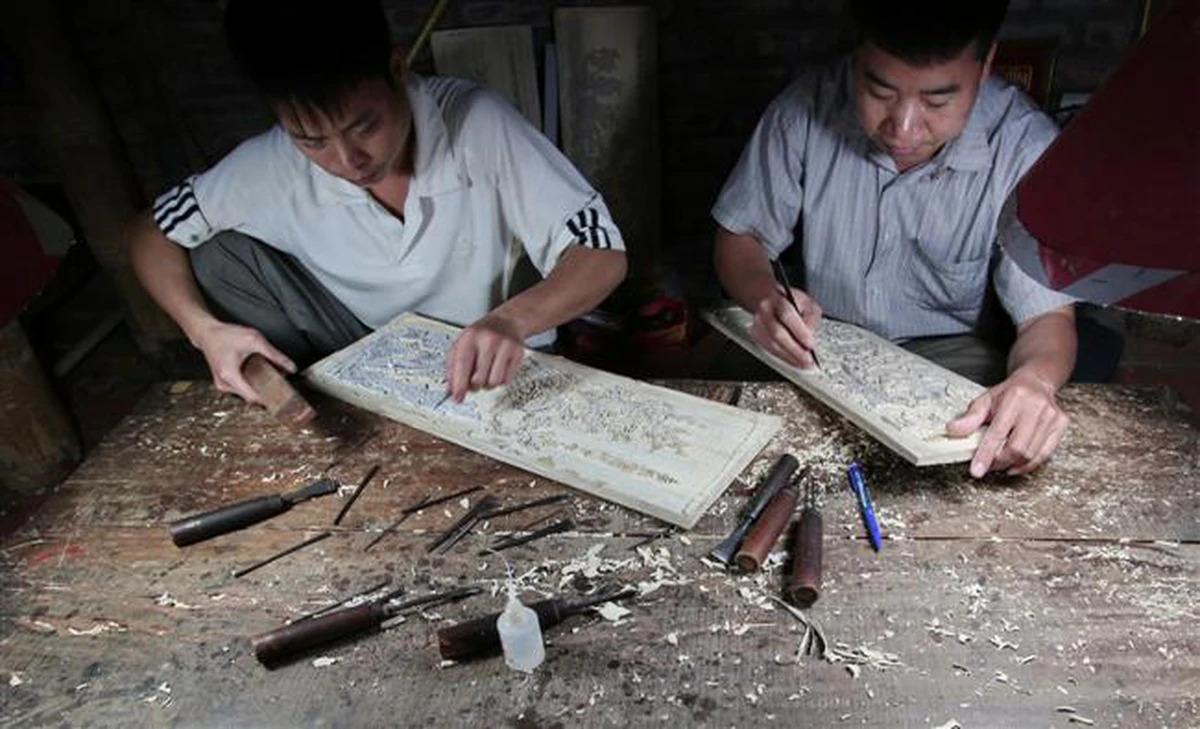
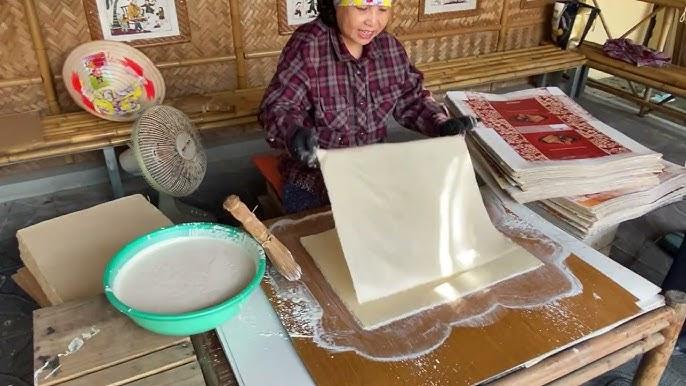
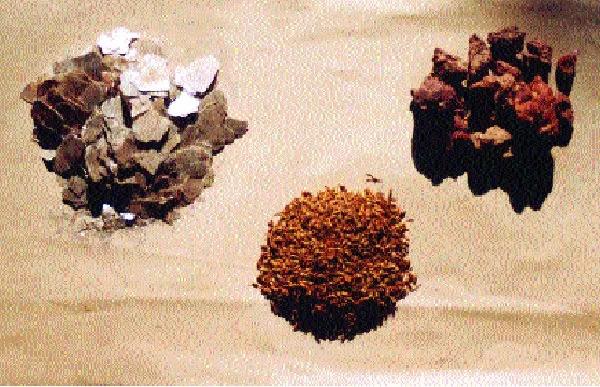
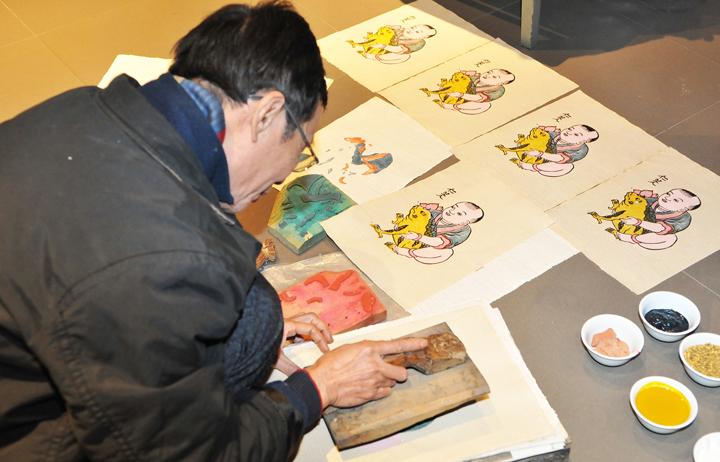
Äông Hồ paintings are not just pictures—they are artifacts of Vietnamese philosophy.
Everything comes from nature:
- White: crushed điệp seashells
- Black: charred bamboo leaves
- Yellow: gardenia flowers
- Red: vermilion mixed with mountain soil
- Blue: indigo plant
The process is a dance:
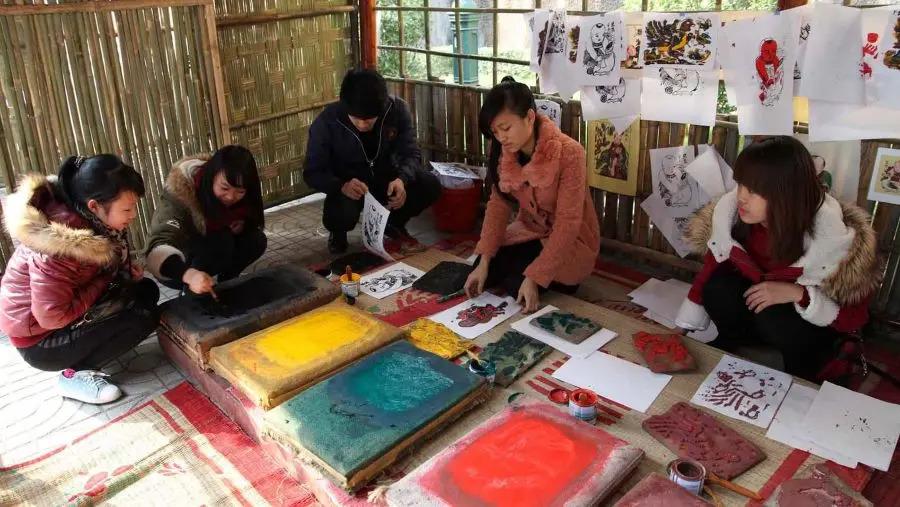
- Carve the woodblock — each color requires a separate block.
- Mix natural pigments — thick and grainy, giving Äông Hồ its unique texture.
- Press the paper onto the block — layering color after color.
- Dry the print under the sun — sunlight is the final brushstroke.
As we stood in the workshop, rows of paintings dried quietly in the courtyard, shimmering faintly under the light.
The Meaning Behind the Masterpieces
Mr. Chế showed us an iconic print: “Äám CÆ°á»›i Chuá»™t†— The Rat’s Wedding.
A procession of rats carrying gifts to a large cat.
“Everyone knows this one,†he laughed. “It’s about corruption, but also about survival.â€
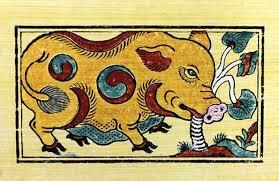
Another favorite is “Lợn Ăn Cây Ráy†— The Pig Eating Taro.
Its round belly and spiral patterns symbolize prosperity and harmony.
“These pictures used to hang in every home,” he said. “People didn’t just buy them for decoration. They bought meaning. They bought blessings.â€
He paused, then added softly:
“Now many people don’t understand the stories anymore.â€
Holding Back the Tide of Disappearance
As industrial printing took over and urban life replaced rural traditions, Äông Hồ’s craft began to fade. Few artisans remain. Materials grow harder to source. Tourists come sporadically.
But Mr. Chế refuses to surrender.
He now teaches workshops for schools, universities, and curious travelers.
His family organizes demonstrations for visitors from France, Japan, and Korea.
They create contemporary versions of folk prints to appeal to younger crowds.
“Tradition must adapt,†he said. “But it must not disappear.â€
In his eyes, we saw hope—thin but unbroken, like the delicate lines carved on his oldest woodblocks.
A Craft Worth Saving
As we left his workshop, children ran past carrying kites made from old painting scraps. Light fell across the river, the colors warm and gentle, like the hues on a Äông Hồ print.
Vietnam is changing fast. But places like this hold the heartbeat of the past.
The craft may whisper now, but as long as masters like Nguyá»…n Äăng Chế continue carving, mixing, and printing—its voice will never be fully lost.
And maybe, just maybe, every traveler who visits Äông Hồ carries a piece of that voice with them.