


Table of Contents
Around noon, Vietnam slows down.
Shops pull their metal doors halfway closed. Streets empty. Motorbikes disappear. Even the loudest cities soften, as if someone has turned the volume down.
This is the hour of the afternoon nap — a practice so ordinary it rarely gets noticed, yet so deeply rooted that life quietly rearranges itself around it.
The Heat That Decides the Schedule
Vietnam’s climate shapes behaviour more than clocks.
By midday, especially in the summer months, heat presses down heavily. Working through it is possible — but unnecessary. Instead of pushing forward, people pause.
This pause is not laziness. It is an adaptation.
For generations, Vietnamese people learned that rest is not a luxury — it is survival.
Nap Time in the City
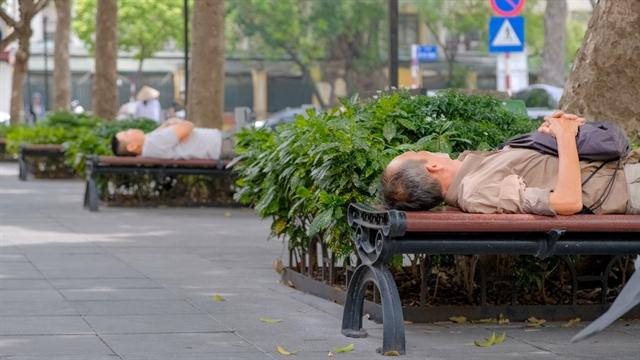
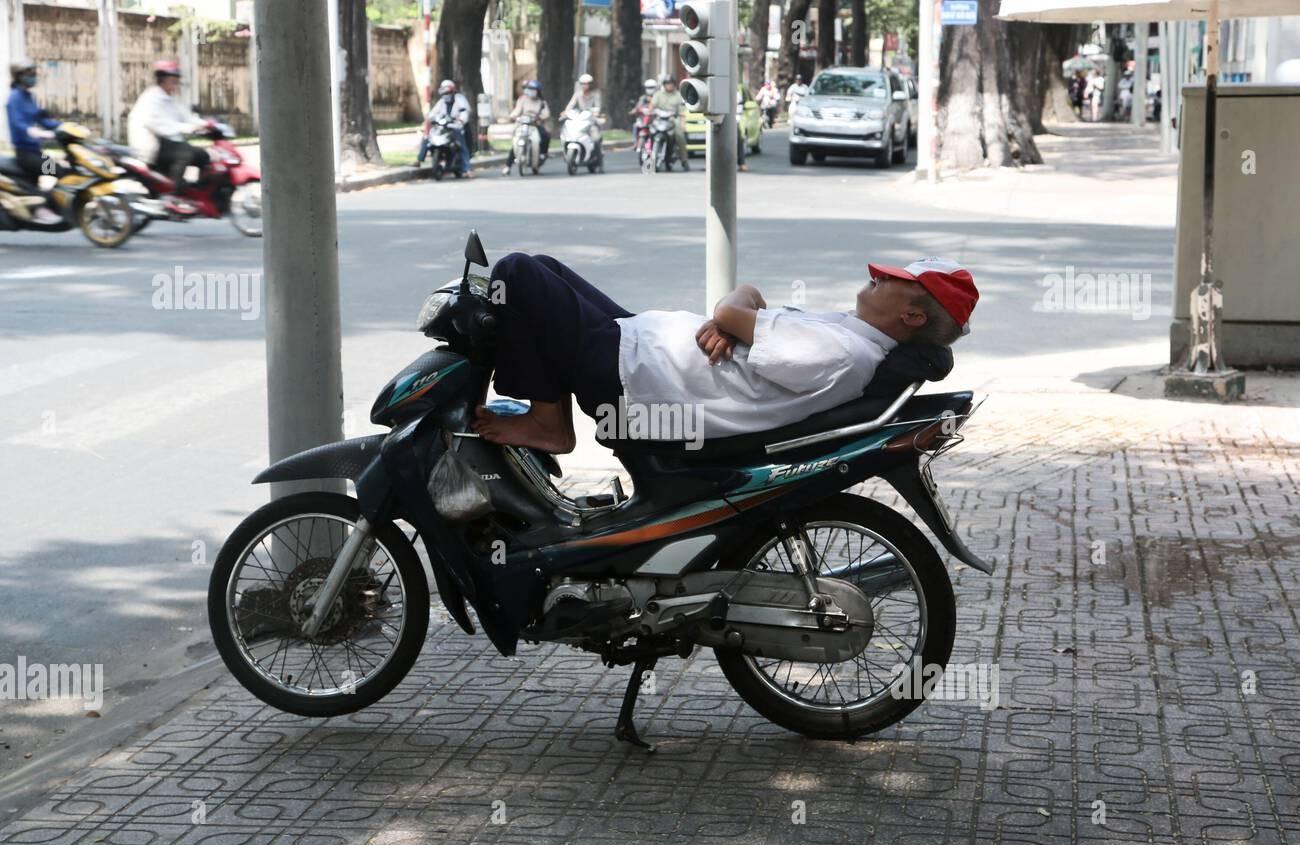
In Hanoi, Ho Chi Minh City, and other urban centres, the nap appears in unexpected forms.
Office workers lower their chairs and close their eyes. Shopkeepers stretch out on wooden platforms behind counters. Security guards recline in hammocks strung between pillars. Street vendors curl up on plastic chairs, hats pulled over their faces.
There is no embarrassment. No apology.
Sleeping in public is normal — because everyone understands why.
A Country That Respects Stillness
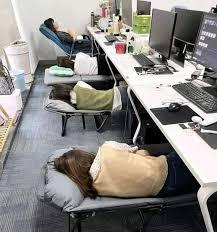
At around 12:30 p.m., something remarkable happens.
Phone calls go unanswered. Government offices slow down. Small businesses stop responding. Meetings pause. Even construction sites are often quite brief.
For visitors, this can feel inconvenient. For locals, it feels logical.
Vietnam does not fight the day. It flows with it.
Rural Silence
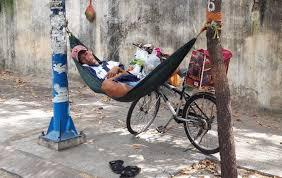
In villages, the afternoon nap feels even more pronounced.
Fields lie still. Animals rest in the shade. Houses close their doors. The only sound is cicadas — loud, persistent, and strangely soothing.
Children nap beside grandparents. Farmers lie on bamboo beds, fans turning lazily overhead. Life pauses not because it must — but because it should.
Not Just Sleep — Recovery
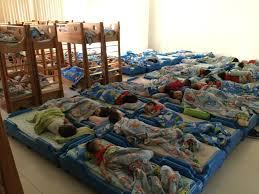
The Vietnamese afternoon nap is not always deep sleep.
Sometimes it is simply lying still. Closing the eyes. Letting the body cool. Letting the mind reset.
Even 20 minutes is enough.
By late afternoon, energy returns — and the day begins again.
The Second Day Begins
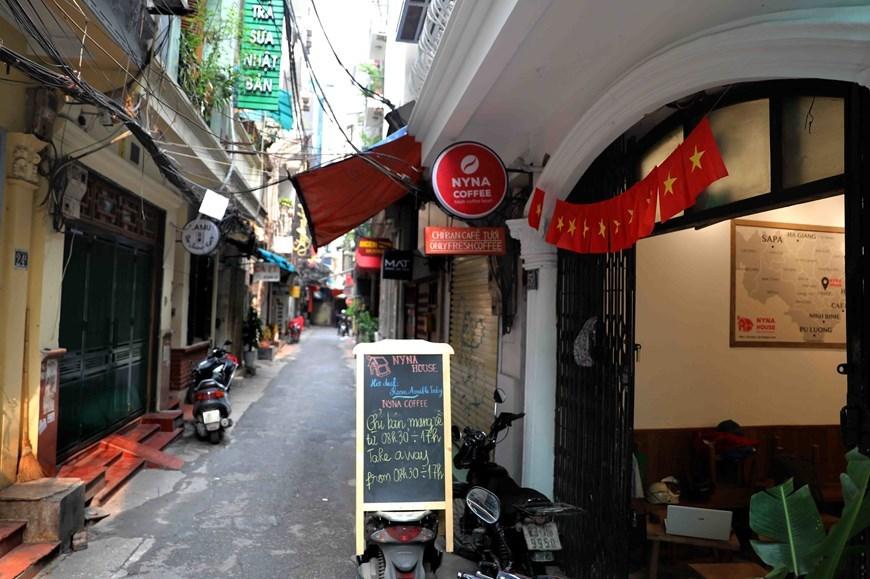
After 3:00 p.m., Vietnam wakes up again.
Shops reopen. Coffee glasses clink with ice. Sidewalks refill. Children play. Markets stir back to life. Streets regain their noise.
The nap makes this possible.
Instead of burning out early, people stretch the day into evening — sometimes late into the night.
Why Outsiders Struggle to Understand It
Many visitors misinterpret the afternoon nap.
They see closed shops and assume inefficiency. They wait for replies and feel ignored. They wonder why the service pauses when daylight remains.
But this rhythm comes from centuries of living with heat, humidity, and physical labour.
Efficiency, in Vietnam, is not about speed. It’s about endurance.
A Cultural Lesson in Balance
The afternoon nap reflects something deeper about Vietnamese life.
Rest is not earned — it is expected.
Stillness is not wasted time — it is preparation.
Pausing does not mean falling behind.
In a world that glorifies constant movement, Vietnam quietly resists.
Learning to Nap Like a Local
For travellers who stay long enough, something changes.
They stop fighting the heat. They sit down. They ordered iced tea. They let the afternoon pass without urgency.
And often — without realising it — they begin to rest too.
This is when Vietnam begins to feel less foreign.
When the City Breathes Again
As the sun lowers, shadows lengthen. People emerge refreshed. Evening meals begin. Streets buzz with renewed energy.
The nap has done its work.
The city breathes again — not rushed, not tired, but ready.
Why This Small Habit Matters
The Vietnamese afternoon nap is a reminder.
Life does not need to be loud all day.
Productivity does not require exhaustion.
Sometimes the most human thing to do is stop.
In Vietnam, stopping is not failure.
It is wisdom.