



Table of Contents
Dinner in Vietnam rarely begins with an announcement.
There is no bell, no strict hour, no moment where everyone formally gathers at once. Instead, it unfolds gradually. Someone finishes cooking. Someone else arrives home. Bowls are rinsed. Rice is fluffed again to keep it warm.
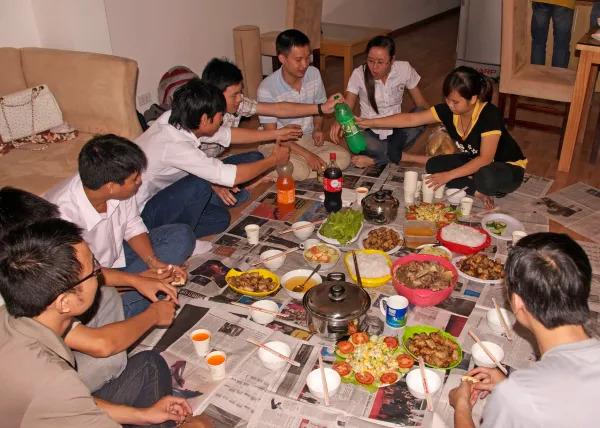
And then, without much ceremony, the family sits down on the floor.
Where Dinner Happens Matters
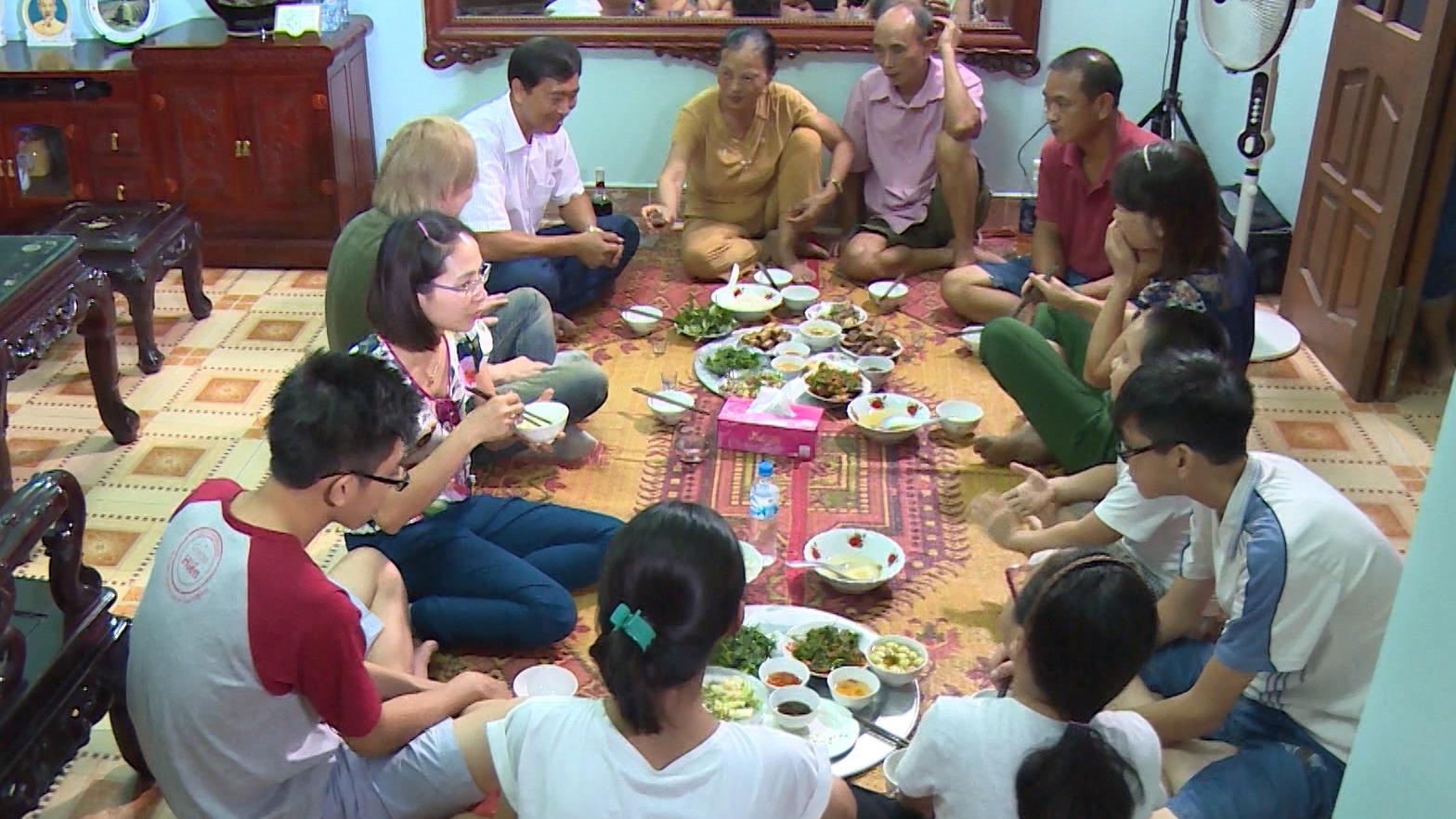
In many Vietnamese homes — especially older houses, townhouses, and rural homes — the floor is the most important space.
It is where children do homework, elders rest, guests are welcomed, and meals are shared. The floor is practical, flexible, and familiar. Mats are rolled out when needed and put away when life moves on.
Sitting on the floor removes formality. There is no “best seat.” No raised position. Everyone meets at the same level, physically and socially.
This equality shapes the meal.
The Shape of the Meal
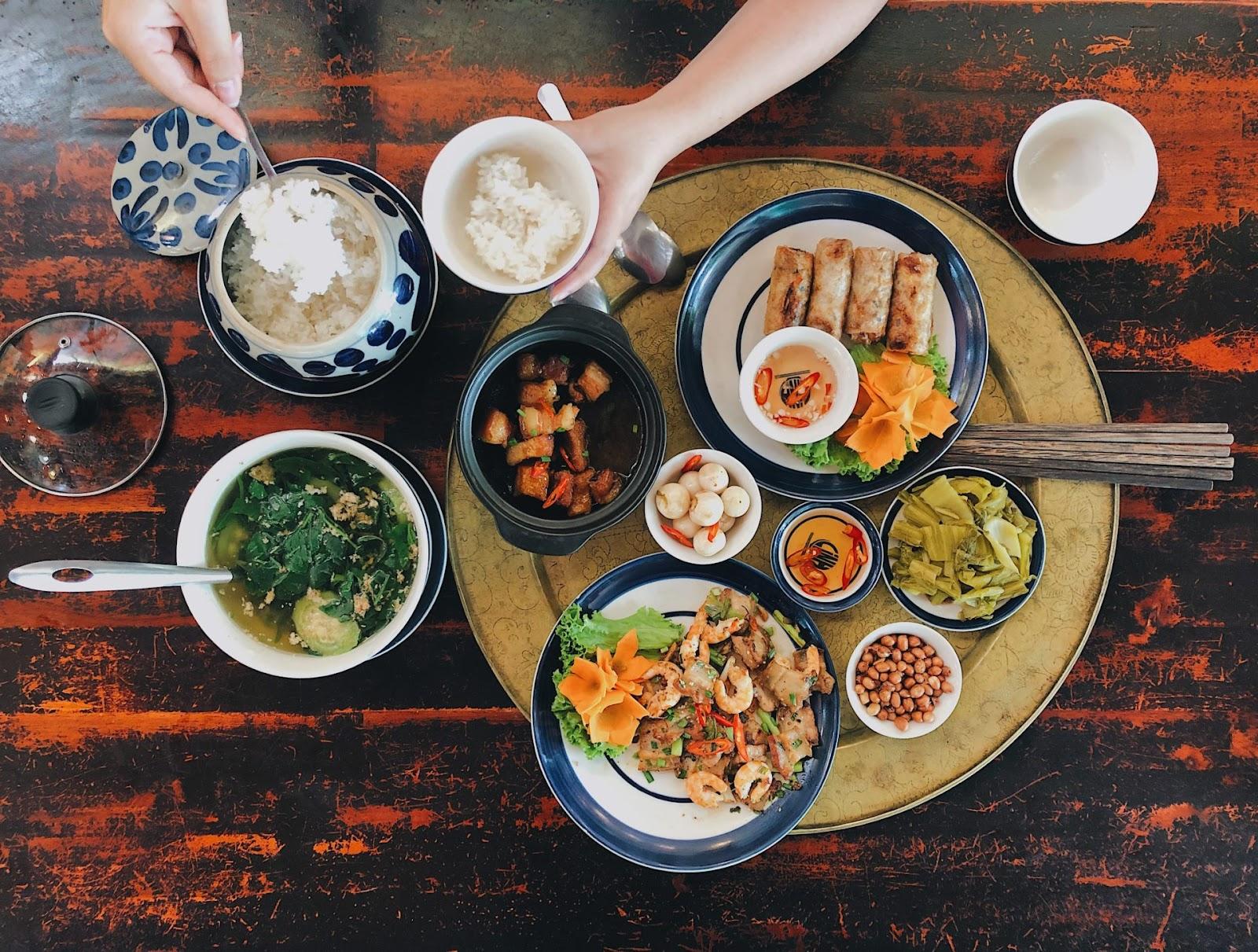
Vietnamese family dinners are built around sharing.
Each person has their own bowl of rice. Everything else sits in the center: soup, vegetables, fish, meat, dipping sauces. No dish belongs to anyone in particular.
People take small amounts. They return often. Chopsticks move gently between bowls. No one rushes. No one claims more than they need.
The meal is not about fullness — it is about balance.
What’s Usually on the Floor
A typical home-cooked Vietnamese dinner is simple, consistent, and deeply intentional.
There is almost always:
- Steamed white rice, soft and neutral
- A clear soup (canh) — often made with vegetables, fish, or pork bones
- One protein dish, lightly seasoned
- One or two vegetable dishes, stir-fried or boiled
Everything is designed to work together. Nothing is heavy. Nothing dominates.
Even on special occasions, meals remain restrained.
Cooking as Daily Care
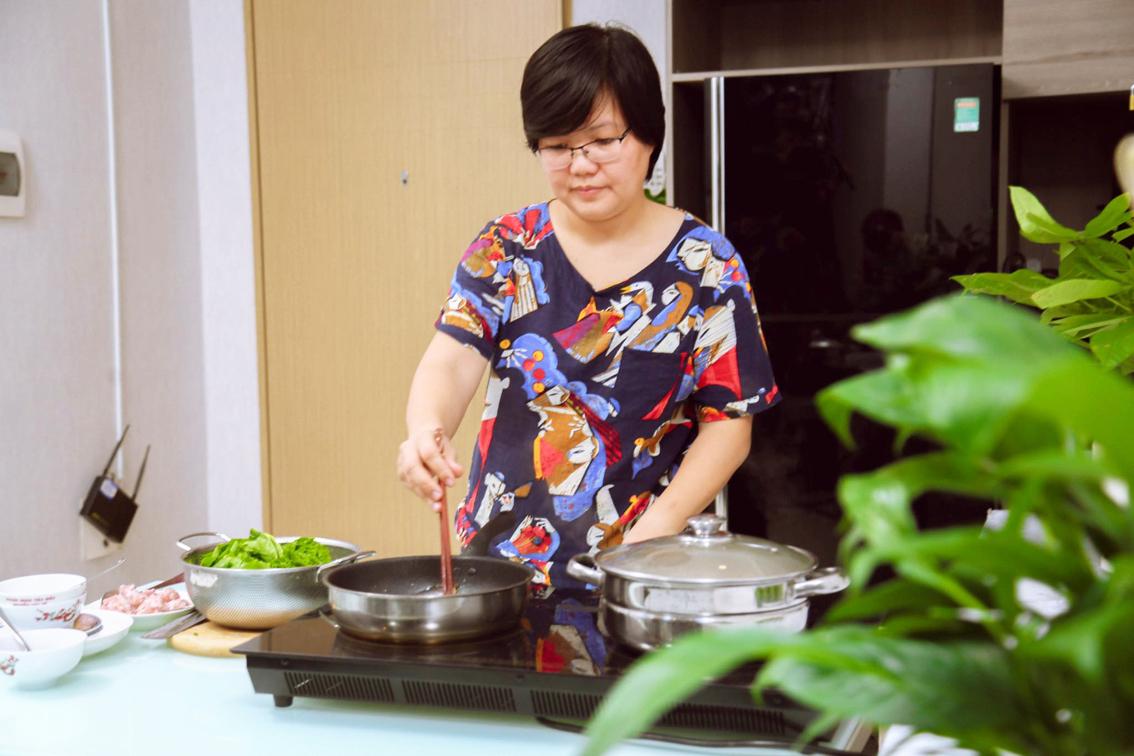
In Vietnam, cooking is not framed as a hobby or performance.
It is responsibility, habit, and care.
Parents plan meals around who will be home. Elders are considered first. Children are encouraged to eat well, but never forced. Favorite dishes appear quietly, without explanation.
To cook for someone is to acknowledge them.
This is why asking “Have you eaten yet?” is one of the most common expressions of concern in Vietnamese life. It is not about hunger. It is about well-being.
The Sound and Pace of Dinner
Vietnamese family dinners are rarely loud.
Conversation flows easily, but pauses are normal. The television might be on, volume low. Chopsticks click softly against bowls. Someone refills soup. Someone reaches for herbs.
Silence does not mean discomfort. It means familiarity.
No one feels pressure to entertain.
Serving Order and Respect
There are unspoken rules.
Elders are served first. Children are watched gently. Guests are encouraged repeatedly to eat more. Compliments are accepted modestly, never exaggerated.
Food is not praised loudly. Appreciation is shown by continuing to eat.
Leaving food uneaten is avoided when possible.
When Guests Join the Floor
Guests are absorbed into the meal without fuss.
Another bowl appears. Portions stretch. No apology is made for simplicity. In fact, over-explaining food is considered unnecessary.
Guests are encouraged to eat — then encouraged again.
Declining politely is expected, but only after tasting. Refusing entirely is uncomfortable, not rude — because the food represents effort and care.
After the Last Bite
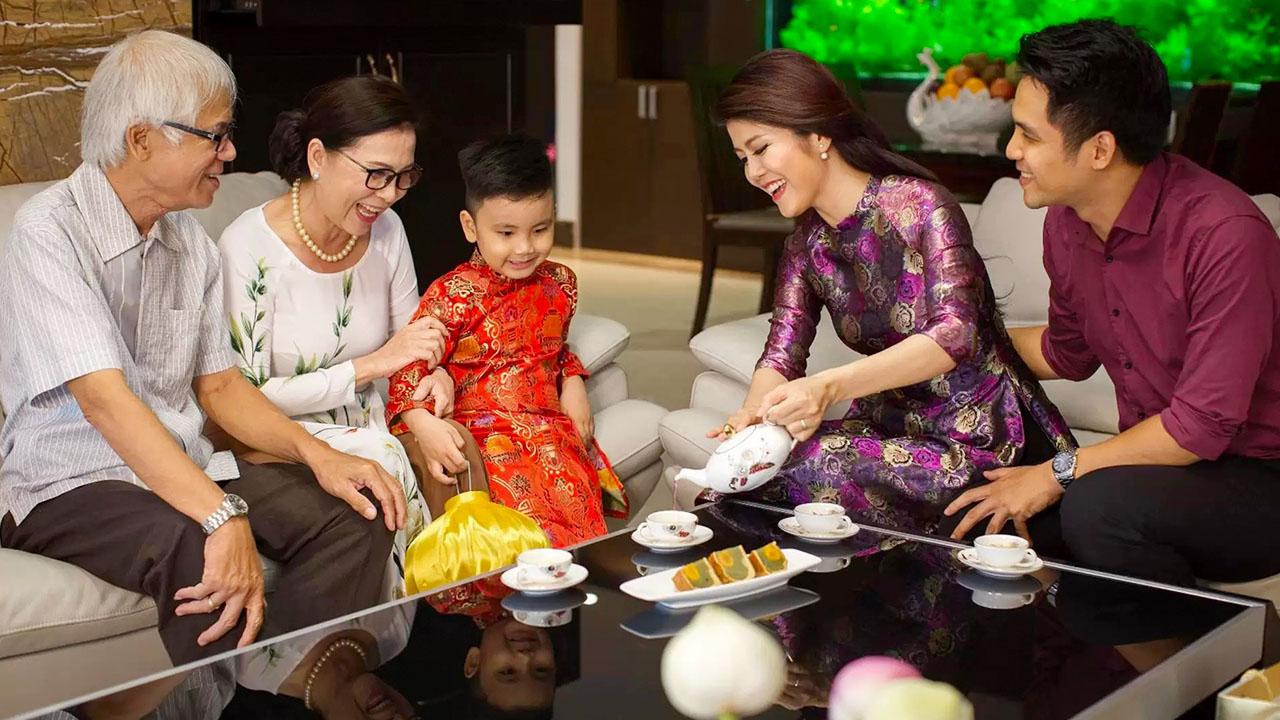
Dinner does not end when the food is gone.
People linger. Tea is poured. Fruit is shared. Someone lies back briefly. Conversations drift to small things: neighbors, tomorrow’s plans, old stories repeated for comfort.
The table — or the floor — is not cleared immediately.
The meal fades out rather than stopping.
Modern Homes, Familiar Habits
In newer apartments, dining tables exist.
But many families still choose the floor when possible. It feels less rigid. Easier. Closer.
Some nights are at the table. Other nights return to the mat. The choice is emotional, not practical.
Tradition survives because it adapts.
What Travelers Rarely See
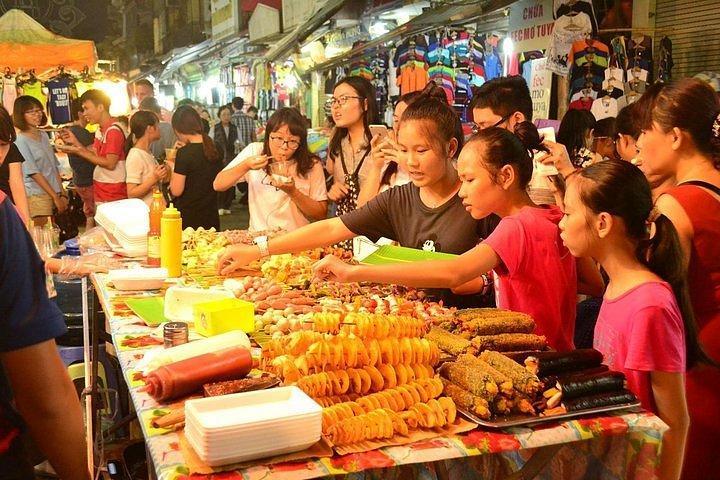
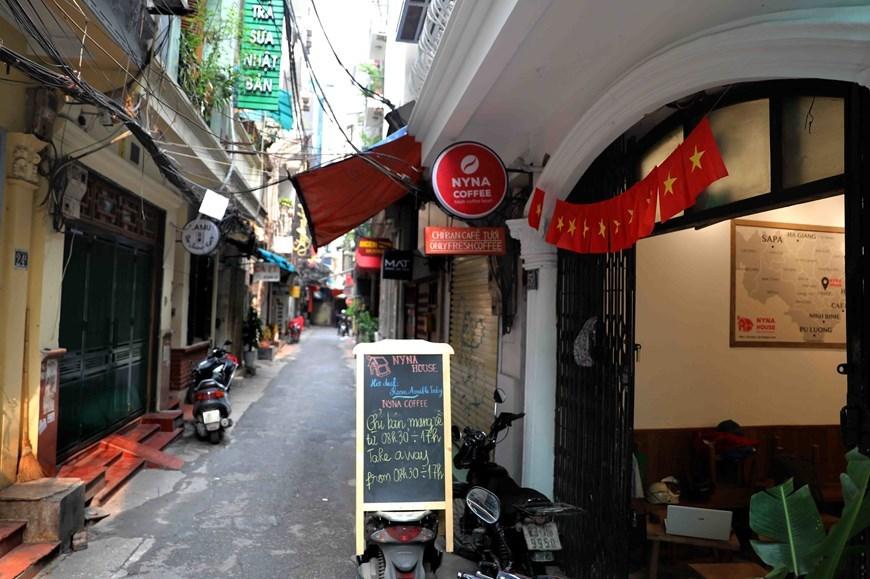
Visitors to Vietnam often experience food only in public spaces — street stalls, cafés, restaurants.
But Vietnamese food culture lives most honestly at home.
There are no menus. No reviews. No performances. Just repetition, familiarity, and care.
This is where flavors are learned. Where preferences are formed. Where food becomes memory.
Why This Matters
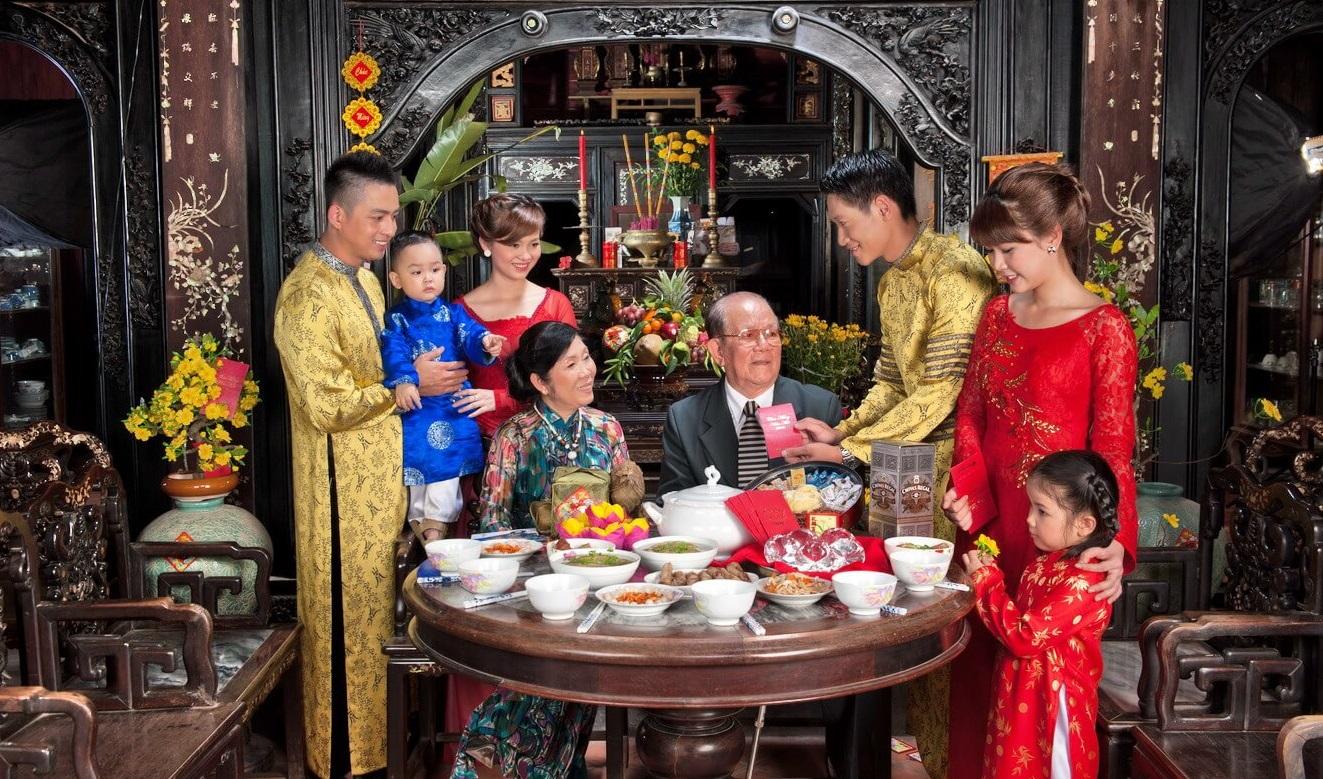
Vietnamese family dinners offer a quiet lesson.
They show that:
- Community doesn’t require formality
- Equality can begin with where you sit
- Care can be routine, not dramatic
In a fast world that celebrates efficiency and individualism, these meals remain unhurried and collective.
They remind us that nourishment is not only physical.
Sometimes, the most meaningful cultural insight comes not from a destination — but from how people eat together at the end of an ordinary day.