



Table of Contents
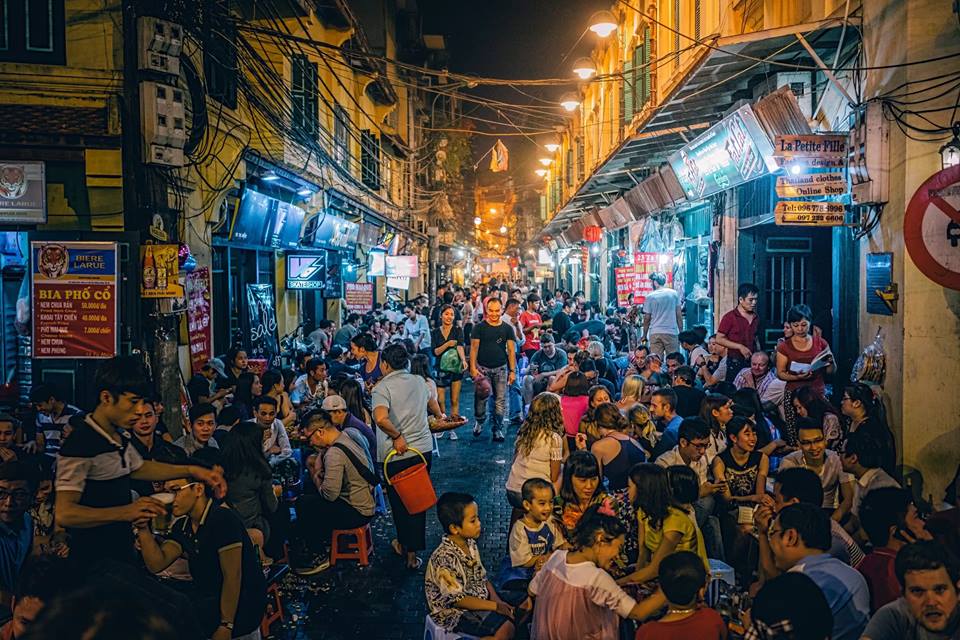
As the sun drops behind the buildings and the heat loosens its grip, Vietnam changes pace. The noise doesn’t disappear — it softens. Engines idle instead of roar. Voices lower. Plastic stools appear as if by instinct. This is when the day exhales.
Across Vietnam, evenings are not rushed. They are claimed.
When the Street Becomes the Living Room
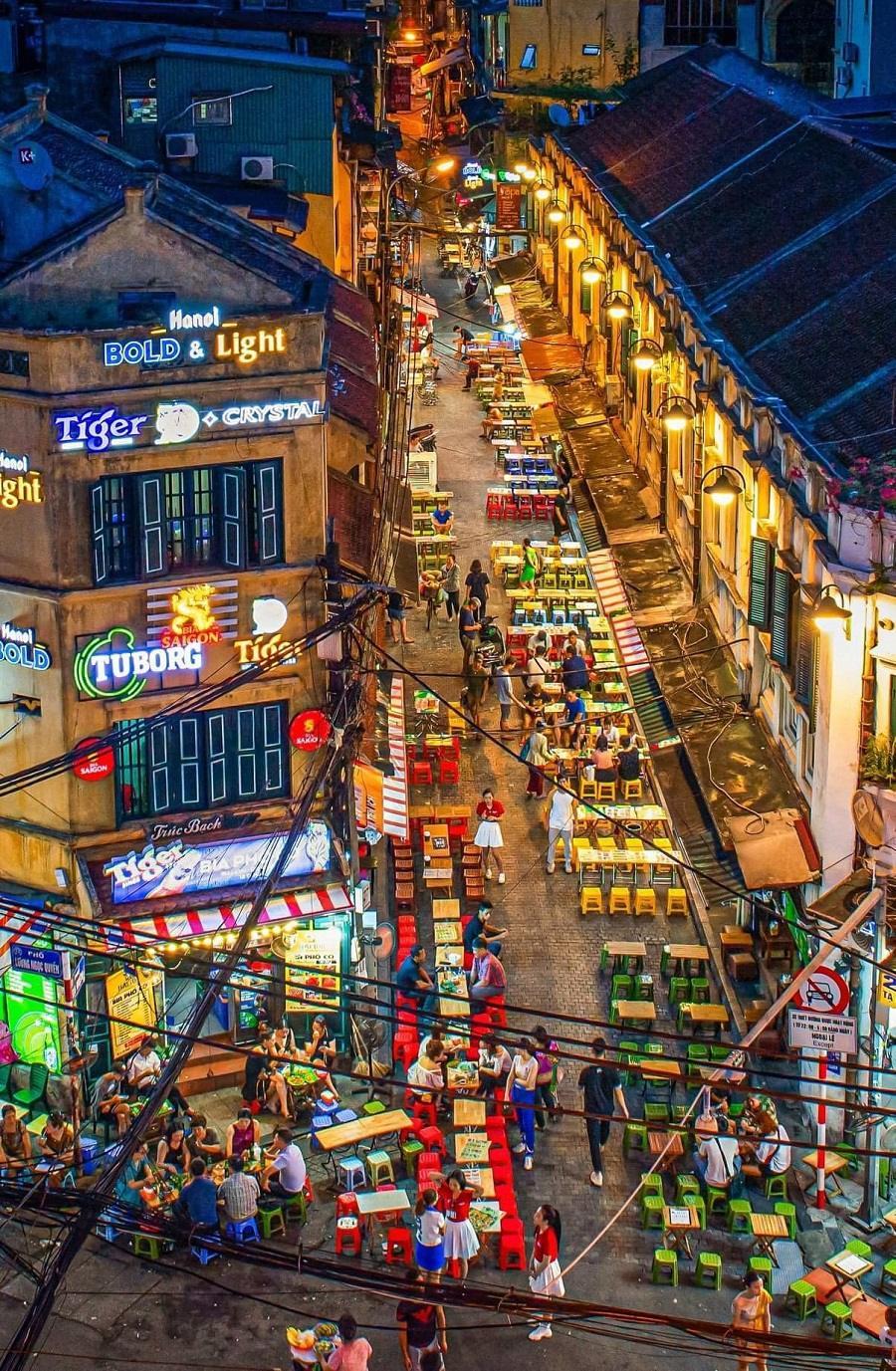
In many Vietnamese cities, especially Hanoi, Ho Chi Minh City, Huế, and Hội An, homes are small and streets are shared. As darkness settles, sidewalks turn into gathering spaces. Vendors roll out carts. Families bring out low tables. Friends pull stools into loose circles.
There is no formal invitation. You sit because you belong.
Plastic stools — cheap, lightweight, and everywhere — are more than furniture. They are symbols of accessibility. Anyone can join. No dress code. No reservations. You sit at the same height as everyone else. Hierarchies flatten when knees bend close to the ground.
This is how evenings begin: casually, collectively, without agenda.
Food That Waits for Nightfall
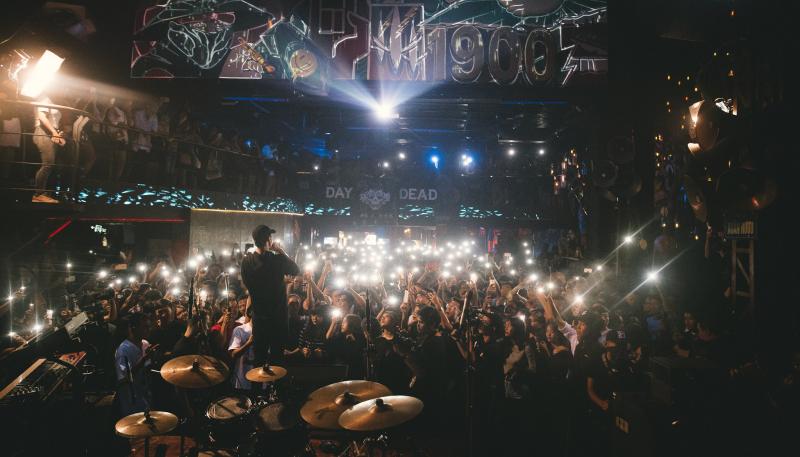
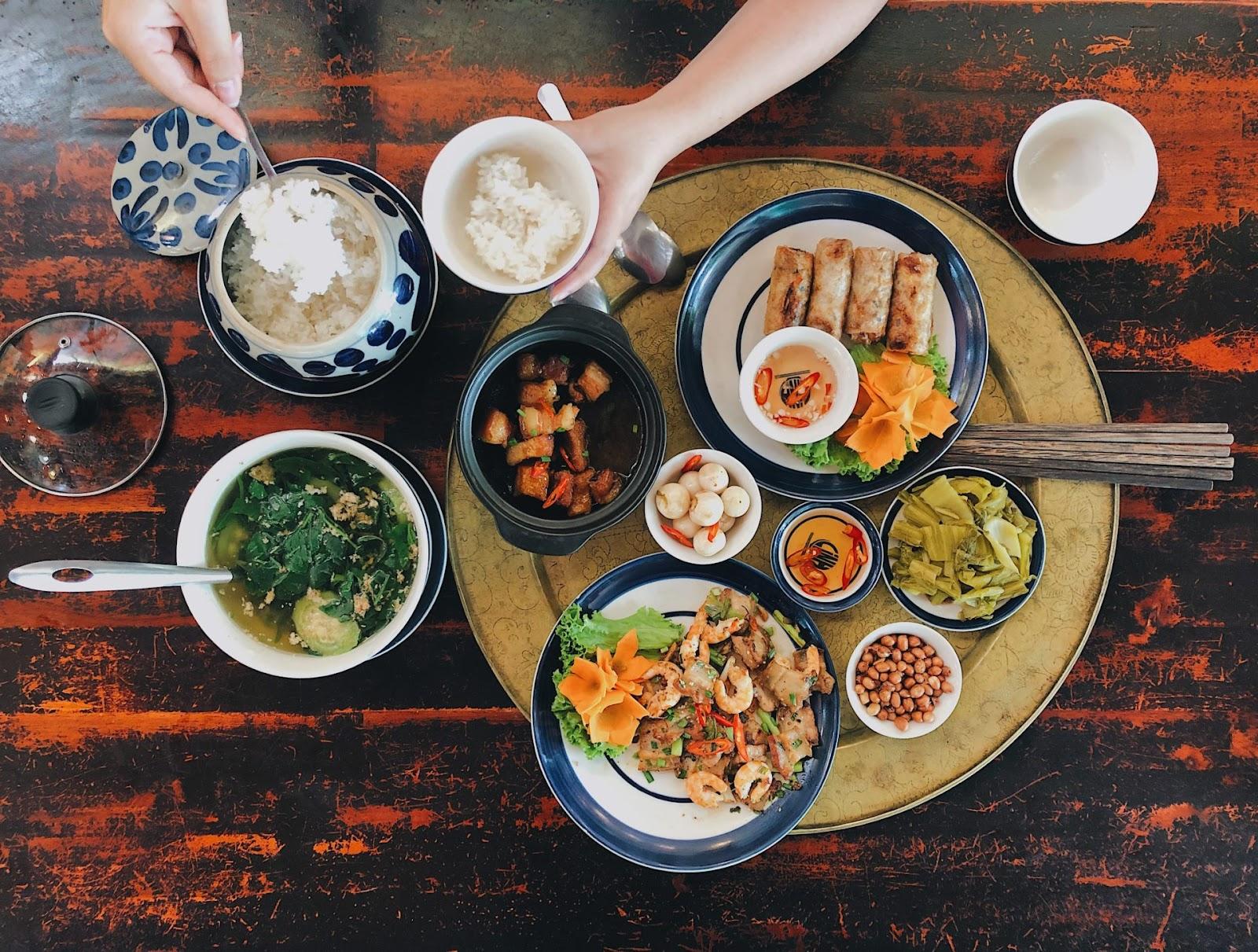
Some foods are made for night. Grilled corn. Skewered meat. Snails simmered in lemongrass. Bowls of cháo nóng eaten slowly with quiet focus. Vendors who stay closed all day emerge after sunset, knowing their customers will come.
Night food is not about indulgence — it’s about comfort. Portions are small. Flavors are familiar. People linger. A bowl isn’t rushed. A beer is shared.
In Vietnam, dinner is rarely the final act. Even after eating at home, people step out again — for tea, for dessert, for company. Hunger is not always physical.
Conversations That Don’t Need Conclusions
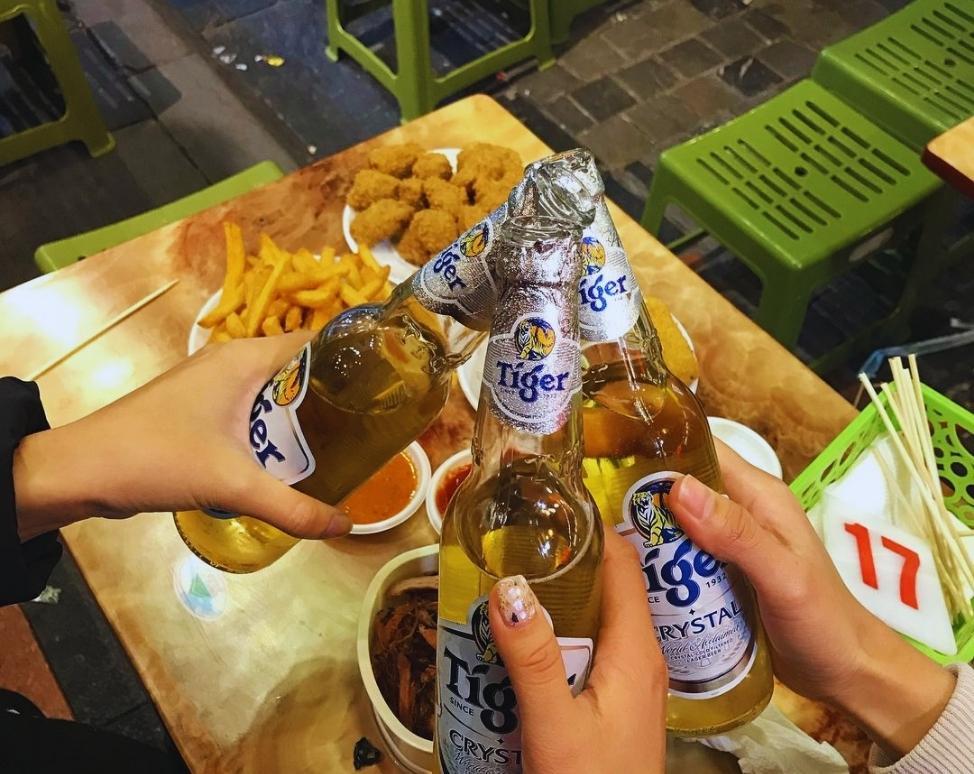
Sit long enough on a plastic stool and you’ll notice something unusual: conversations wander. Topics drift from work to family to nothing at all. Silence is not awkward. Phones appear, then disappear again.
There is no pressure to be productive.
Older men talk about politics without urgency. Women compare market prices. Teenagers laugh too loudly. Children fall asleep on laps. Everyone occupies the same few meters of pavement, aware but unbothered.
Evenings are when stories are told — not performances, but fragments. Memories surface naturally, without needing to be impressive.
The Unwritten Rules of the Sidewalk
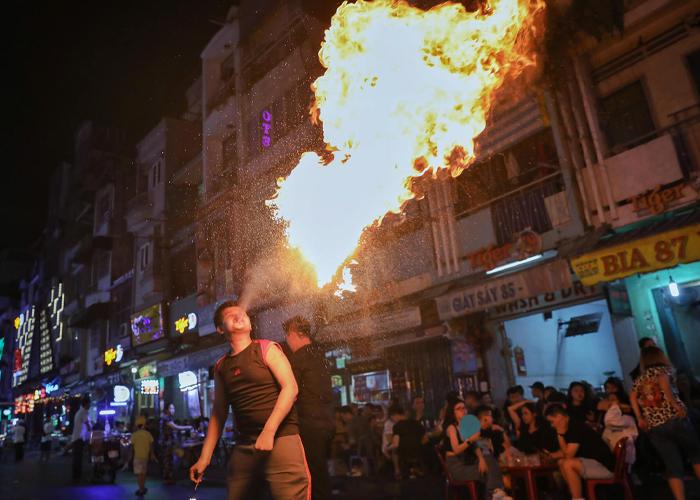
This nightly ritual works because of unspoken agreements. Stools move when motorbikes need space. Vendors clean up quickly when authorities appear. Neighbors watch each other’s belongings without being asked.
There is flexibility here — a quiet choreography developed over decades.
Nothing is permanent. A stall appears, disappears, and reappears tomorrow. Ownership is temporary. Space is borrowed, not claimed.
This impermanence creates freedom. You don’t decorate. You don’t settle in. You just arrive, sit, and be present.
Why Plastic, Not Wooden Chairs?
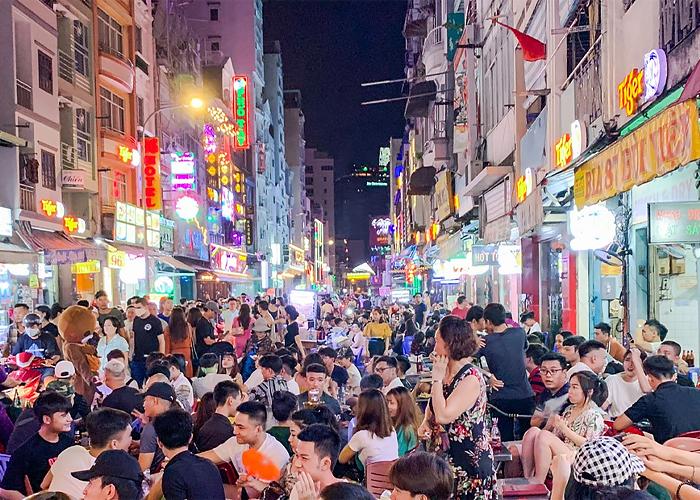
Plastic stools are practical: cheap, stackable, weatherproof. But they also reflect a deeper mindset. Vietnam does not romanticize objects meant for daily use. They are tools, not statements.
A stool doesn’t need to last decades. It needs to last tonight.
This philosophy shapes much of daily life. Meals are cooked fresh. Plans are flexible. Gatherings are spontaneous. The focus is not on preservation, but participation.
Night as a Social Equalizer

Evenings on the street erase boundaries. Office workers sit beside construction laborers. Locals and visitors share the same stools. Expensive watches and worn sandals rest at the same level.
No one is hosting. No one is impressing.
For travelers, this is often the moment Vietnam becomes real — not in monuments or museums, but in these ordinary nights where life reveals itself without performance.
When the Night Ends Quietly
There is no dramatic ending. Stools are stacked. Tables wiped. Vendors load carts. Conversations trail off mid-sentence. People stand, stretch, and walk home.
The street returns to emptiness.
By morning, it will look like nothing happened. But for those who sat there, something essential did: connection without obligation.
Why This Matters
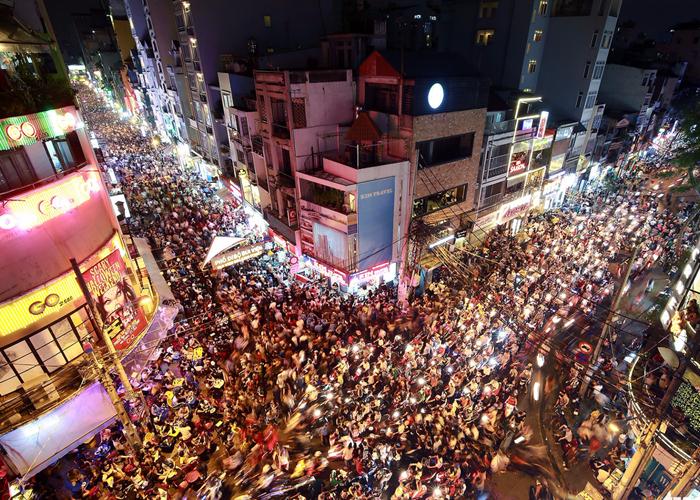
In a world that increasingly rushes evenings into productivity or distraction, Vietnam’s nightly pause feels radical. It reminds us that slowing down doesn’t require luxury — only willingness.
Plastic stools. Simple food. Open streets.
Earthy Life ends here not because the story is finished, but because this rhythm continues every night, everywhere, quietly shaping how people live, connect, and belong.