



Table of Contents
Travelling in Vietnam doesn’t need to be expensive — in fact, some of the country’s best experiences are completely free. With the right local strategies, you can enjoy authentic food, hidden attractions, and unforgettable landscapes without cutting the soul out of your journey.
Let’s break down the smartest ways to save money in Vietnam while still travelling like a local.
1. Eat Where the Crowds Eat (But Not the Tourists)
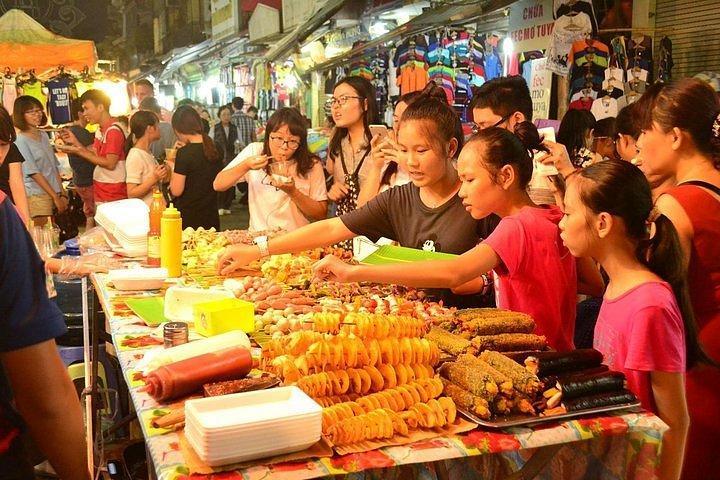
Vietnam’s most iconic dishes were born on the street, not in restaurants.
If you want the best flavour and the best price:
Local Tips
- Follow the motorbikes, not the neon signs.
- Look for spots packed with office workers or families.
- Avoid places with laminated English menus — prices are often inflated.
Expected Prices
- Phở: 30,000–50,000 VND
- Bún chả: 35,000–60,000 VND
- Bánh mì: 20,000–30,000 VND
- Cơm bình dân (rice with dishes): 25,000–40,000 VND
2. Choose Affordable Transportation the Local Way
Grab / Be / Xanh SM
Cheaper than taxis and transparent prices.
Intercity Travel
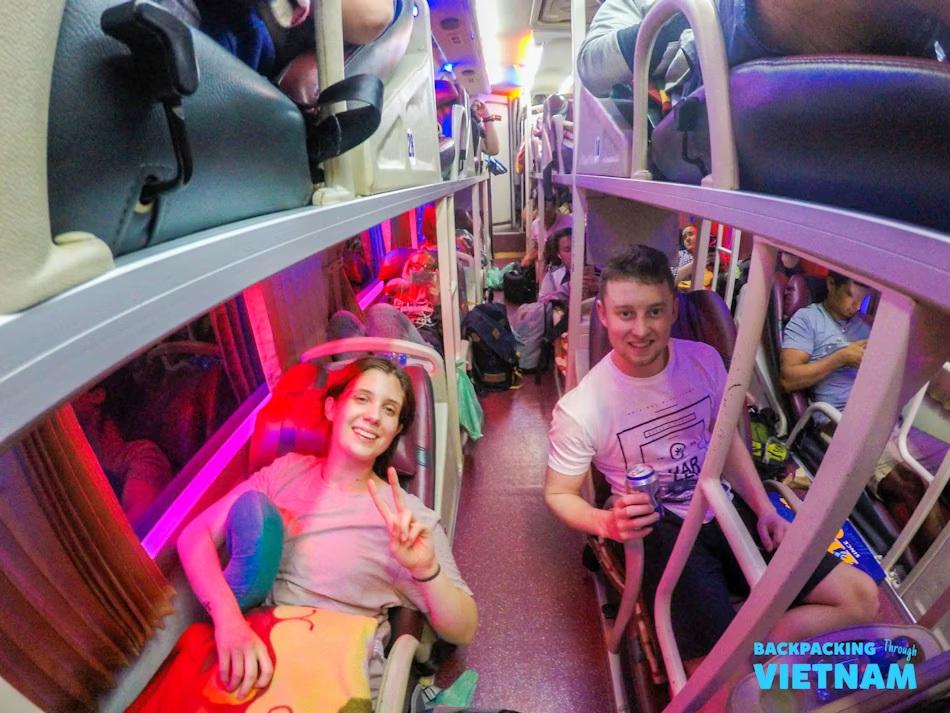
- Sleeper buses: budget-friendly and popular with locals
- Reunification train: slower, but scenic and calm
- Flights: Vietjet / Bamboo Airways often run flash sales
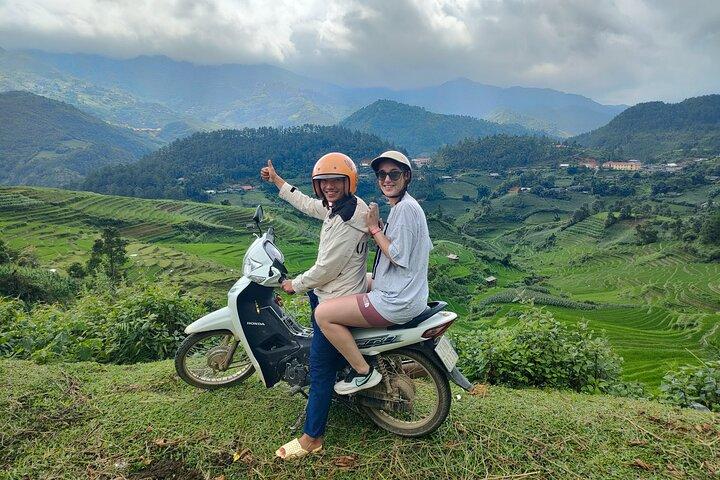
Renting a Scooter
- Best in the countryside or small towns
- From 120,000–180,000 VND/day
Tip: Avoid renting in big cities if you’re not confident in traffic.
3. Stay in Homestays or Budget Hotels
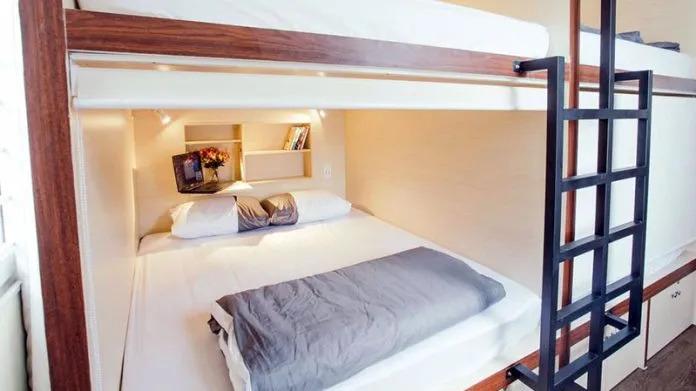
Vietnam has some of the best-value accommodation in Southeast Asia.
Best Options
- Homestays (150,000–350,000 VND/night)
- Boutique budget hotels with breakfast included
- Hostels (80,000–150,000 VND/night)
Homestays especially give you:
- Free breakfast
- Free bicycle use
- Access to kitchens
- Cultural immersion
4. Visit Free (or Nearly Free) Attractions
You don’t need to pay for big-ticket shows to experience Vietnam.
Free Experiences
- Hanoi’s Old Quarter walking streets
- Ho Chi Minh City’s Book Street
- Hội An’s lantern-lit nights (free outside the Ancient Town ticket area)
- Saigon Notre-Dame Cathedral
- Temple of Literature outer courtyard
- Mekong Delta floating villages (explore from shore)
Small Entrance Fees
- Museums: 20,000–40,000 VND
- Ancient temples/pagodas: usually free; donations welcomed
5. Travel Slow — It Saves Money
The slower you travel, the cheaper it becomes.
Benefits of Slow Travel
- Lower transport costs
- Long-stay discounts in accommodations
- More authentic experiences
- Better connections with locals
Try spending 3–5 days in each region instead of rushing through.
6. Shop Smart and Avoid Tourist Pricing
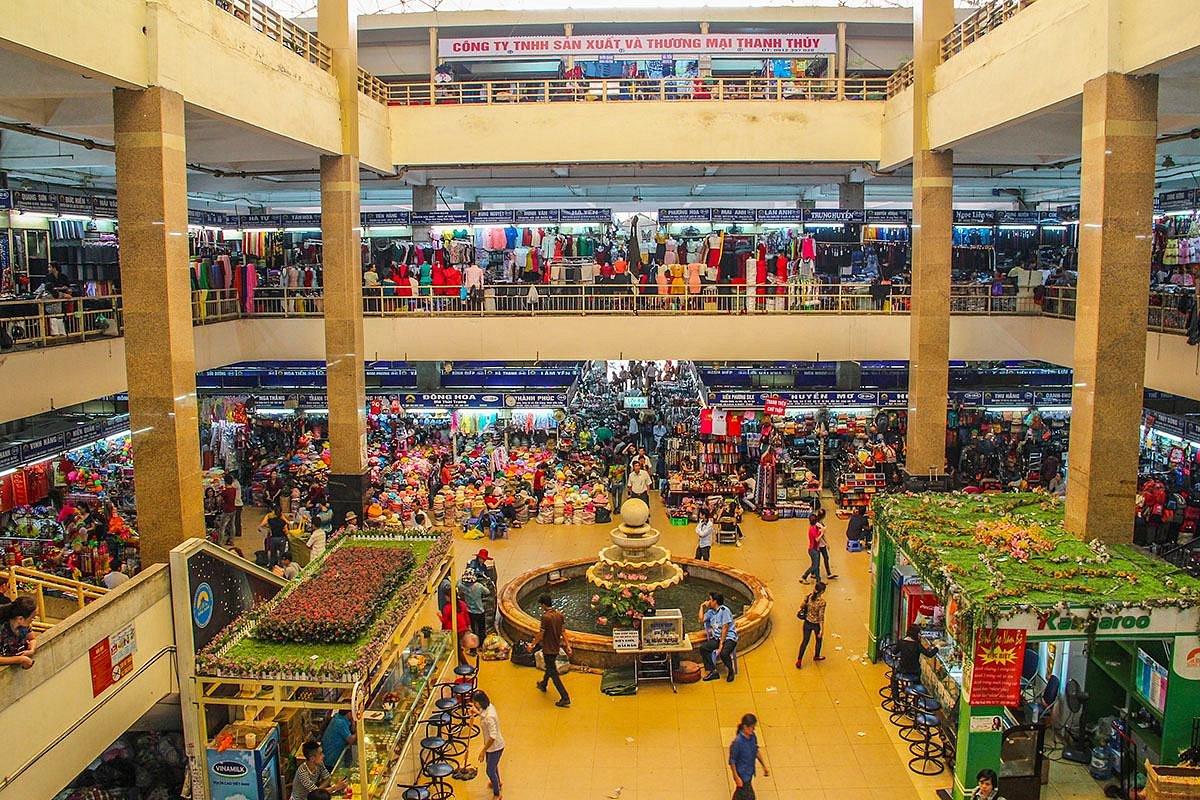
Where to Buy Souvenirs
- Local markets in smaller towns
- Craft villages (Bat Trà ng, Van Phuc, Tra Que…)
- CoopMart / WinMart for snacks and gifts
How to Bargain Politely
- Smile
- Offer 50–60% of the asking price.
- Slowly work your way up.
- Stop if the seller looks uncomfortable — respect first.t
7. Use Apps Locals Actually Rely On
- MoMo – local mobile wallet
- Zalo Maps / Google Maps – most accurate for walking
- BusMap – for navigating Hanoi/Saigon buses
- Grab / Be / Xanh SM – rides + food delivery
- Foody / ShopeeFood – local food reviews, cheaper than Google-listed restaurants
8. Travel During Shoulder Seasons
You’ll spend less while avoiding crowds.
North Vietnam:
- February–April
- Late September–November
Central Vietnam:
- February–June
South Vietnam:
- May–October (green season = cheapest hotels)
9. Join Community-Based Tours
Not only are they affordable, but they also:
- Support local families
- Provide authentic meals
- Include immersive activities (farming, cooking, crafts)
Destinations like Mai Châu, Pù Luông, Mekong homestays, and Sapa ethnic villages offer huge value for the price.
10. Know When to Spend
Budget travel doesn’t mean avoiding everything.
Things worth paying for:
- A reputable Ha Long Bay cruise
- Local guides in ethnic minority areas
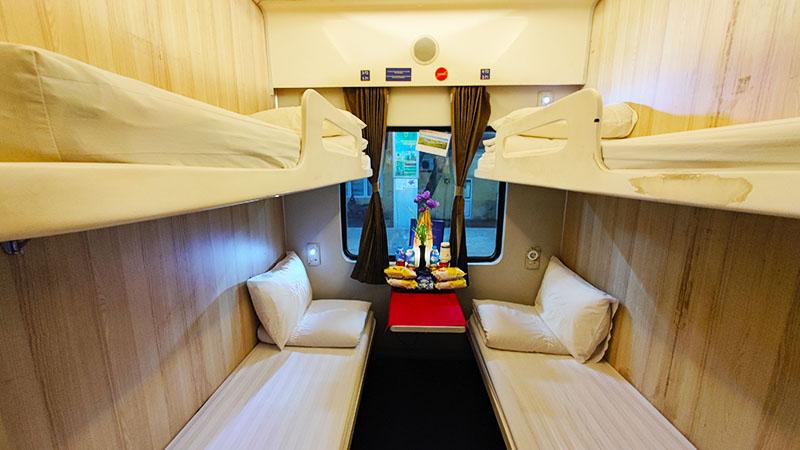
- Overnight sleeper trains
- Cooking classes with home chefs
- Coffee workshops, craft tours, farming tours
These experiences create memories you’ll keep long after the trip ends.